
Best Takedown Techniques in MMA - Single, Double Leg & Hip Toss
Ever wondered how fighters in MMA suddenly grab their opponent and bring them to the ground in just a second?
If you’ve watched Mixed Martial Arts (MMA), you’ve probably seen moments where one fighter quickly controls the other with a powerful move like a single leg takedown, a double leg takedown, or even a hip toss. It looks fast and almost effortless, but behind these moves is real skill, timing, and practice.
In this blog, we’re going to break down some of the best takedown techniques used in MMA. Don’t worry, we’ll keep it simple and easy to understand, so even if you’re new to fighting sports, you’ll be able to follow along. By the end, you’ll know how these basic but powerful moves work and why they are so important in a fight.
The Importance of Takedowns for MMA Fighters
Takedowns are the backbone of MMA because they bridge the gap between striking and grappling. In fact, UFC statistical reports suggest fighters who land takedowns in at least two rounds often win a large share of their fights. That shows just how important they are. For beginners, learning the best takedowns for MMA isn’t just about scoring points or slamming someone to the mat. It’s about control deciding where the fight happens. If you’re stronger on the ground, takedowns are how you get there.

The beauty of MMA takedowns is their versatility. They can be explosive, like a double-leg shot, or smooth and technical, like a hip toss. What makes them essential is how they build balance, timing, and coordination skills that carry over to every part of your game. Think of takedowns like the steering wheel of a fight. Without them, you’re just going straight with no control.
Beginners often think takedowns are too complex, but once broken into steps, they’re very manageable. Most elite fighters like Khabib Nurmagomedov and Georges St-Pierre built their success on a few core techniques. Mastering these basics makes you a more complete fighter and boosts your confidence in the cage.
Understanding the Fundamentals of Takedowns
Before diving into specific techniques, it’s important to understand the foundation of all takedowns: balance, leverage, and timing. A takedown in takedown MMA isn’t just about brute strength. In fact, many smaller fighters regularly take down bigger opponents because they master these fundamentals.
-
Balance
You need to stay grounded with a strong base. Beginners often overreach, which makes them vulnerable to counters. Keeping your feet under you ensures stability.
-
Leverage
Instead of fighting strength with strength, you use angles and positioning. For example, driving your shoulder into the opponent’s hip gives you an edge without requiring overwhelming power.
-
Timing
This is the secret ingredient. A perfectly timed takedown can be unstoppable. The best moments are often when your opponent is off-balance, such as right after throwing a strike.

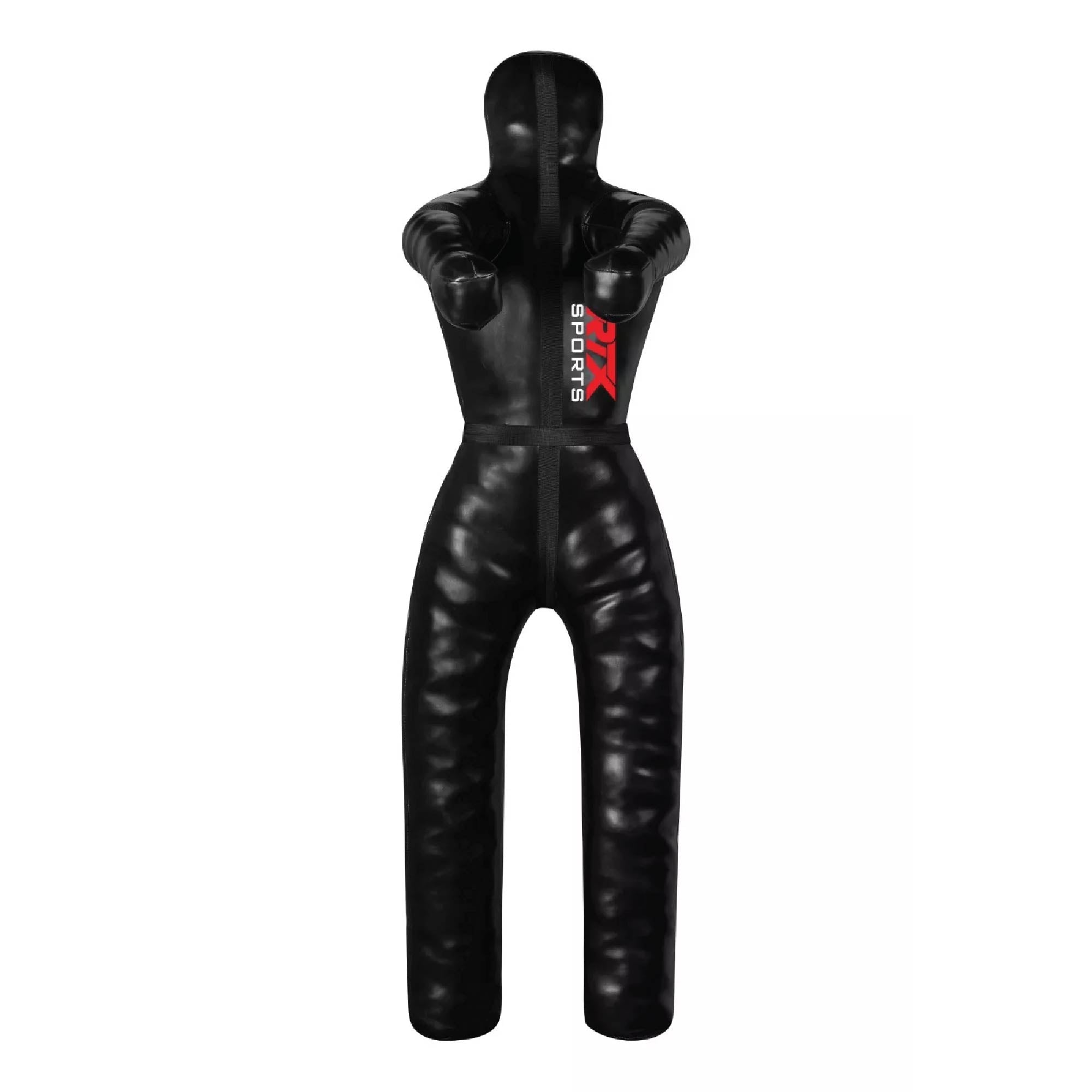
Footwork is essential in MMA, especially for successful takedowns. Poor positioning can cause the attempt to fail immediately. Beginners should practice penetration steps and level changes repeatedly, often using a grappling dummy to build muscle memory and simulate opponent resistance. A 2020 Journal of Sports Science study found that better footwork efficiency led to a 22% higher takedown success rate.
One of the biggest beginner mistakes in takedown MMA is shooting from too far away. If you launch yourself without closing the distance, you end up sprawled and exhausted. Another mistake is keeping your head too low or too high, which breaks posture and reduces leverage. Mastering the basics early saves you from building bad habits that are hard to fix later.
The Double-Leg Takedown
The double-leg takedown is the bread and butter of MMA wrestling. It is straightforward and effective, working at all levels. To execute it, you start with a level change, dropping your hips lower than your opponent’s. Next comes the penetration step, where you drive your lead foot between their legs. Then, you shoot your arms around both legs, lock your hands, and drive forward using your head as a steering wheel against their torso or hip.
There are several variations. The classic double-leg involves driving straight through your opponent, often ending up in inside control. Another variation, the blast double, relies on explosive power to bulldoze through defences. Beginners should start with the standard double-leg, focusing on technique rather than speed.

Why is the double-leg so popular? According to FightMetric statistics, it accounts for nearly 45 percent of all takedowns landed in UFC history. Fighters like Georges St-Pierre turned it into a weapon by timing it perfectly after striking combinations. The key lesson here is that you don’t need to be a powerhouse wrestler to land it. With good timing and clean execution, even beginners can use it successfully.
Of course, there are defences against the double-leg, such as sprawling and using underhooks. But the reason it remains a staple is that it works in so many scenarios. Once you’ve taken your opponent down, you can transition to ground-and-pound, submissions, or positional control. If you’re just starting MMA, the double-leg should be at the top of your takedown list.
The Single-Leg Takedown
The single-leg takedown is a precise, technical attack that targets one leg instead of both. In single-leg takedown situations, the entry is similar to the double-leg: you lower your level, close the distance, and shoot in. The key difference is control of a single leg, usually by grabbing behind the opponent’s knee while maintaining strong posture and a high head position.
From this position, you can finish in several ways:
-
Running the pipe: rotate your opponent in a circular motion to break balance and force the takedown.
-
Lift and return: elevate the captured leg and drive it backward.
-
Sweep finish: hook or block the standing leg to trip the opponent.
A single-leg takedown in jiu-jitsu emphasizes control, transitions, and finishing in dominant positions such as side control or during a successful guard pass. Training on a sitting grappling dummy helps refine entry and finishing mechanics safely before live drilling. Single-legs are widely used in MMA as a strong alternative to double-legs against sprawl-heavy defenses, accounting for about 30% of takedown attempts with roughly a 45% success rate at the UFC level (2021).

The Judo single leg takedown influence emphasizes balance breaking and off-balancing before the finish, making the technique more efficient and controlled. Single-legs are also effective against taller opponents, especially when their lead leg is exposed due to a longer stance. The main challenge is maintaining posture and preventing the opponent from sprawling on top of you. Consistent drilling of entries, posture, and finishing mechanics is essential for improvement.
The Body Lock Takedown
One of the biggest advantages of the body lock takedown is its high success rate once properly secured. When the grip is tight and the posture is broken, opponents often struggle to defend without giving up position. This makes it a high-percentage option in MMA grappling exchanges.

Fighters who excel in clinch control, such as Daniel Cormier and Khabib Nurmagomedov, frequently use body lock positions to pressure opponents into the cage and transition into takedowns. It is also considered beginner-friendly because it reduces exposure to strikes during entry compared to traditional shots. Beyond effectiveness in fights, training the body lock takedown MMA helps develop grip strength, core stability, and overall clinch control. These physical attributes carry over into other grappling positions, making it a foundational skill for MMA practitioners across all levels.
The Hip Toss
The hip toss is one of the most iconic and effective takedowns for MMA, widely used in grappling arts like Judo, Wrestling, and Sambo. It’s a classic move where you use your hips as a lever to off-balance your opponent and throw them to the mat. In takedowns for MMA, it works best in tight clinch situations where shots like double-legs aren’t available. In hip toss wrestling, setup matters more than strength. You typically secure an overhook or underhook, step across your opponent’s stance, and turn your hips in tightly so they’re positioned in front.
From there, you rotate and use leverage to complete the throw. Many beginners try to power it, but proper positioning makes it nearly effortless. In wrestling hip toss is especially effective along the cage when an opponent is leaning or pressing forward, and it also works well as a counter to aggressive clinch entries.

Even though hip toss wrestling techniques aren’t the most frequently attempted takedowns in modern MMA stats, they are highly efficient when used at the right moment. Clinch-based throws, including the hip toss, have shown strong success rates when properly set up from tight grappling positions. The key takeaway for anyone studying takedowns for MMA is simple: don’t rush it. Drill the movement slowly, focus on hip placement, balance, and timing. Once the mechanics click, the wrestling hip toss becomes one of those techniques that feels surprisingly smooth and highly effective when it counts.
Setting Up Takedowns with Strikes
One of the most overlooked aspects of a takedown in MMA is the setup. Walking straight into a takedown attempt rarely works against skilled opponents because they can easily anticipate and defend it. Instead, effective striking forces your opponent to react, creating the openings you need to shoot for the legs or secure a clinch. Beginners should understand early that the best MMA takedowns are usually created by smart setups rather than raw athleticism.

-
Use the Jab to Create Openings
The jab is one of the simplest and most effective tools for setting up MMA takedowns. A well-timed jab encourages your opponent to raise their guard, briefly exposing their lower body. As they focus on defending the punch, you can quickly change levels and shoot for a double-leg or single-leg takedown. Even a light, probing jab can be enough to disrupt their balance and timing.
-
Mix in Feints and Combinations
Feints are another powerful weapon. Faking a punch often causes your opponent to react defensively or overcommit, leaving their legs vulnerable. Punch combinations can be even more effective because they keep your opponent occupied. Rather than relying on a single strike, mix jabs, crosses, and hooks before changing levels. This approach makes your takedown in MMA much harder to predict and defend.
-
Why Striking Improves Takedown Success
Statistically, fighters who combine strikes with takedown attempts enjoy a much higher success rate. FightMetric data indicates that takedown attempts immediately following a strike land around 20 percent more often than "naked" shots without any setup. When an opponent is focused on defending punches, they have less time to react to the sudden level change, making the entry significantly more effective.
-
Avoid Becoming Predictable
One of the biggest mistakes beginners make is repeating the same sequence every time. If you always throw a jab before shooting, experienced opponents will recognize the pattern and counter it. Vary your timing by sometimes throwing two or three punches, occasionally using a feint, or shooting without the expected setup. The best MMA takedowns come from keeping your opponent guessing.
Think of it like a magician distracting the audience with one hand while performing the trick with the other. The more believable your striking setups are, the smoother and more successful your MMA takedowns will become.
Defense Against Takedowns
Learning how to defend an MMA takedown is just as important as learning how to execute one. Strong takedown defense helps you stay on your feet, control the fight, and avoid giving your opponent an advantage. The most fundamental defense is the sprawl. Throw your legs back, drop your hips onto your opponent's upper body, and push their head down. When performed correctly, this technique can stop many common MMA takedown attempts, including single-leg and double-leg shots.
Another key defensive tool is the underhook. By keeping your arm underneath your opponent's arm, you can control their posture, prevent body locks, and make it much harder to complete a takedown. Using frames with your forearms or elbows also creates space and helps keep opponents from closing the distance.

Defending a takedown also creates counterattacking opportunities. After a successful sprawl, you can transition to a front headlock, circle behind your opponent, or regain a dominant position. Learning to defend also improves your ability to take down MMA opponents by helping you understand how to overcome common defensive reactions. The better your takedown defense, the more control you'll have over the pace and position of the fight. Mastering both offense and defense is essential for becoming a well-rounded MMA fighter.
Common Mistakes Beginners Make
A mma takedown is a skill where you bring your opponent to the ground in a controlled way. Many beginners struggle at first, not because the techniques are hard, but because they make small mistakes in timing, distance, and body control. If you understand these early, you can improve much faster and use the best MMA takedown techniques more effectively.

-
Shooting from too far away
A common MMA takedown mistake is attacking from a long distance. When you shoot too far, your opponent has time to defend or strike. Always move closer first, using steps, punches, or feints before going for the takedown.
-
Telegraphing your shot
In mixed martial arts, beginners often show what they are about to do. Dropping hands, leaning forward, or big steps make the takedown easy to read. Keep your movement quick and smooth, so your opponent cannot guess.
-
Poor posture during the takedown
Good posture is very important in any MMA takedown. If your head goes too low, you risk submissions like guillotines. If your back is bent, you lose strength. Keep your head up, chest forward, and hips driving in.
-
Not chaining attacks together
One of the best MMA takedown techniques is chain wrestling. If your first attempt fails, don’t stop. Switch quickly from double leg to single leg, or single leg to body lock. This keeps pressure on your opponent.
-
Giving up after the first try
Many beginners stop after one failed attempt. In mixed martial arts, successful fighters keep adjusting and trying again. Staying active and persistent greatly increases your chances of finishing the mma takedown.
Training Drills for Beginners
Training drills are essential for developing a reliable takedown in MMA. Watching techniques helps with understanding, but consistent repetition is what builds real timing, balance, and muscle memory. Beginners should start with shadow wrestling, focusing on level changes and penetration steps without a partner. This develops proper footwork and coordination before adding resistance. Partner drills come next, especially light-resistance entries that help connect movement with reaction and timing.
A key focus in takedown techniques is practicing penetration steps with resistance bands to build leg strength and improve shooting explosiveness. Another useful drill is performing takedown finishes at about 50% speed, which reinforces correct positioning and control rather than relying on strength.

Strength and conditioning also support take-down MMA performance. Exercises like squats and deadlifts build lower-body power for shooting, while plyometric jumps improve explosiveness. Grip training, such as farmer’s carries, helps with clinch control and maintaining holds during takedown attempts. For beginners, the most effective approach is balancing technical drilling with basic strength work. Too much focus on strength can reduce technical precision, while drilling alone may limit physical ability in live situations. A consistent routine with regular takedown-focused sessions helps build dependable execution over time.
Transitioning After the Takedown
Landing an MMA takedown is only half the job. What really matters is what happens right after. In many training rooms and sparring rounds at a mixed martial arts fight club, you’ll see beginners hit the takedown and then pause, sometimes even celebrating, only to give their opponent time to recover.
Once you complete a takedown MMA entry, focus immediately on control. You’ll usually land in half guard or side control, and this is where pressure becomes everything. Keep your chest heavy, stay tight with your head position, and control the hips so your opponent can’t build back to their feet. In many gyms, including those training in mixed martial arts, coaches constantly emphasize that stability beats speed at this stage.

From here, your goal is simple: improve position. Work gradually toward side control or mount using basic, reliable passes like the knee slice or pressure passing. Once you settle on top, submissions like kimuras or arm-triangle chokes become realistic options, along with ground-and-pound if your ruleset allows it.
The key idea is consistent across all levels of MMA: getting the takedown is just the start. What decides most rounds is whether you can keep control and build from it.
Psychological Benefits of Learning Takedowns
Learning takedowns in MMA builds more than physical skill; it strengthens confidence, reduces fear of being taken down, and develops a calmer, more aggressive fighting mindset that improves overall performance in striking and grappling exchanges.
-
Learning a takedown removes the common beginner fear of being controlled on the ground, helping fighters stay composed during exchanges.
-
Training MMA takedowns improves confidence because you know you can dictate where the fight happens, whether standing or on the mat.
-
Many beginners search for “takedown deutsch” or basic grappling concepts because understanding fundamentals builds mental clarity and reduces hesitation.
-
Practicing takedown MMA techniques repeatedly builds mental toughness by forcing you to push through resistance and failed attempts.
-
It encourages persistence, teaching you not to panic when a takedown fails but to reset and try again with better timing.
-
Confidence in grappling often makes fighters more aggressive in striking since they trust their ability to recover or change levels safely.
-
Studies in combat sports psychology suggest that athletes confident in takedowns are more likely to engage offensively instead of avoiding exchanges.
-
Drilling MMA takedowns under fatigue improves emotional control and teaches you how to stay effective under pressure.
-
Regular practice develops resilience, helping you manage exhaustion during scrambles and clinch battles.
Conclusion
Takedowns are really the heart of MMA, and getting good at basics like double-leg, single-leg, body lock, and hip toss gives you a solid foundation. These best MMA takedown techniques help you build balance, timing, and control, and they let you decide where the fight actually takes place. At higher levels, they’re often what separates average fighters from great ones because they give real control over the match. But it’s not just about landing them; you also need to work on defense, setups, transitions, and keep drilling consistently with patience until they start to feel natural.
Over time, takedowns build not only physical skill but also confidence and mental toughness that help you inside and outside the cage. Good training tools can make your practice even better. RTX Sports makes equipment like grappling dummies and wrist wraps that help you train safely and improve faster at home or in the gym. Keep drilling your takedowns step by step, and don’t rush. With time and steady practice, your skills will become smooth and strong.
FAQs
-
What is the easiest takedown for beginners in MMA?
The double-leg takedown is generally the easiest for beginners because it relies on simple mechanics and works well across all weight classes. -
How do I improve my timing for takedowns?
Practice setups with strikes, work on level changes, and drill against live resistance. Timing improves with repetition and sparring experience. -
Do I need wrestling experience before starting MMA takedowns?
No, many successful MMA fighters started without wrestling backgrounds. Consistent drilling and learning proper fundamentals are enough to become proficient. -
Which takedown works best against a taller opponent?
Single-leg takedowns are often more effective against taller fighters since their longer stance leaves the lead leg exposed. -
How do I practice takedowns safely at home?
Focus on shadow wrestling, penetration steps, and partner drills on mats. Always prioritize safety and avoid practicing hard throws without proper mats and supervision.
Tags:
Previous
MMA Training vs Boxing – Which One Should You Choose?
Next
How to Fill a Grappling Dummy? | Step-by-Step Guide