
Grappling Dummy for Kids: Benefits, Safety & Choosing the Right Size
What if your child could burn off extra energy, build confidence, and learn the basics of grappling all while having fun at home?
If your child loves wrestling, martial arts, or simply enjoys active play, a grappling dummy can be a great addition to their training routine. These soft training partners give kids a practical way to practice movements such as takedowns, holds, transitions, and positioning without needing a live partner. For parents, it can also be a convenient way to encourage active practice while giving children something they can work with at home.
But choosing a grappling dummy for a child isn’t as simple as picking the first one you find. You’ll want to think about how it can benefit your child, how to use it safely, and whether it is the right size for their age, height, and skill level. In this guide, we’ll focus on these three important areas so you can make a more informed choice for your child.
Benefits of a Grappling Dummy for Kids
A grappling dummy can give children an easy way to repeat basic movements they have already learned from their coach. A kids martial arts dummy is always available, unlike practicing with another person, allowing children to work through techniques at their own pace.
For a young athlete, this type of practice can be useful because grappling skills often become more familiar through repetition. A child can take their time understanding where their hands, arms, legs, and body should be positioned without having to worry about accidentally hurting a training partner.
1. Encourages Active Play
Children naturally have a lot of energy, and a kids grappling dummy can turn some of that energy into purposeful physical activity. Instead of simply running around the house, your child can practice familiar wrestling or martial arts movements in a more structured way.
This can be especially appealing to children who already enjoy wrestling or combat sports. Having a physical training partner to work with can make practice feel more interactive and enjoyable while encouraging them to stay active.
2. Helps With Technique Repetition
Grappling techniques are not usually mastered after seeing them once. Children need opportunities to repeat movements so they can gradually become more comfortable with positioning and coordination.
A kids' wrestling dummy provides a consistent partner for this type of repetition. Your child can practice movements they have already learned in class and focus on performing them with better control.
With regular practice, your child can:
-
Improve body positioning and coordination.
-
Become more comfortable with basic grappling movements.
-
Repeat techniques at their own pace.
-
Build better control and confidence through practice.
-
Remember techniques more easily through repetition.
The dummy does not replace instruction from a coach. Instead, it gives children an opportunity to reinforce what they have already been taught.
3. Can Build Confidence
Children can sometimes feel frustrated when they are learning a new physical skill. They may need several attempts before a movement begins to feel natural. Practicing with a dummy gives them the freedom to repeat a familiar movement without feeling rushed. As they become more comfortable, they may feel more confident when performing the same technique during supervised practice. For children learning Brazilian jiu-jitsu, a BJJ dummy for kids can therefore be a useful way to reinforce basic movements between classes while allowing them to progress at a comfortable pace.
4. Provides a Consistent Practice Partner
One of the practical benefits of a grappling dummy is its availability. A live partner may not always be around when your child wants to practice, but a dummy can be ready whenever an appropriate practice session takes place. This can be particularly useful for children who are already involved in wrestling or martial arts and want to repeat basic movements outside of class. Parents also do not need to act as the training partner for every drill, especially when they are unfamiliar with the techniques being practiced.
5. Makes Martial Arts Practice More Engaging
For children who enjoy martial arts, practicing the same movement repeatedly can sometimes become boring. A properly sized dummy can make the experience feel more hands-on and engaging. A kids martial arts dummy gives children something physical to work with while they review techniques they have already learned. This can make practice more enjoyable without turning it into unstructured rough play.
Safety When Using a Grappling Dummy for Kids
A grappling dummy is designed for training, but children still need to use it appropriately. Its padded construction does not mean every movement is automatically safe, particularly when a child is attempting a technique they have not learned properly.
Parents should focus on creating a controlled environment where children can practice age-appropriate movements without unnecessary risks.
1. Use the Dummy in a Suitable Area
The space around the dummy is just as important as the dummy itself. Your child should have enough room to move around without hitting furniture, walls, sharp corners, or other objects.
A suitable floor surface can also make practice more comfortable. If the movement involves getting down on the floor or changing positions, appropriate padding can provide a better practice environment than a hard or slippery surface.
Before your child starts, check that:
-
There is enough open space around the dummy.
-
The floor is stable and not slippery.
-
Sharp or hard objects have been moved away.
-
Furniture is far enough from the practice area.
-
Your child has enough room to move without obstruction.
Preparing the area beforehand can help your child focus on their movements instead of worrying about what is around them.
2. Supervise Younger Children
Younger children should have suitable adult supervision when using grappling equipment. This does not mean that a parent has to perform every technique with them, but an adult should be aware of what the child is practicing.
If your child attends wrestling, BJJ, or martial arts classes, their coach can help identify which movements are appropriate to practice at home. A youth grappling dummy can support this practice by giving children a consistent training partner for techniques they have already learned. This is especially important for techniques involving the head, neck, or joints. Children should not experiment with unfamiliar or advanced movements simply because they have access to a dummy.
3. Encourage Controlled Movements
Children can become excited while practicing, but the focus should remain on technique and control rather than using as much force as possible. Encourage your child to practice movements slowly at first. Once they understand the positioning, they can gradually become more comfortable with the movement. The goal is to help them develop better technique rather than encouraging unnecessary throwing, jumping, or rough handling of the dummy.
4. Follow the Techniques Taught by Their Coach
A grappling dummy works best when it supports proper instruction. If your child has learned a technique from their coach, they can use the dummy to repeat and reinforce that movement.
If they have not been taught a particular technique, it is better to wait and ask their instructor rather than attempting it without guidance. This is particularly important when using BJJ training equipment for kids, because some techniques require an understanding of positioning and control that younger beginners may not yet have developed.
Choosing the Right Size for Your Child
Choosing the right size is one of the most important decisions when buying a grappling dummy for a child. A dummy that is too large can be difficult to control, while one that is too small may not provide the type of practice your child needs. The ideal choice should feel manageable for your child's body size and current experience.

1. Consider Your Child's Height
Your child's height is a good starting point when choosing a dummy. Instead of relying only on labels such as "kids" or "junior," check the actual dimensions provided for the product. Children of the same age can have very different heights, so age should not be the only factor you consider. A dummy should be proportionate enough for your child to practice familiar movements without constantly struggling to reach or control it.
2. Choose Based on Their Age
Age can still provide useful guidance when choosing a training dummy for kids, particularly when comparing equipment designed for younger children with options intended for older kids. A smaller child will generally need a dummy that is easier to manage, while an older child may be comfortable using a larger model. However, age should always be considered alongside height, physical development, and the child's ability to control the equipment rather than being used as the only measurement.
3. Consider Your Child's Strength
Your child's strength is another important part of the decision. Even if the dimensions seem suitable, the dummy may not be appropriate if your child cannot comfortably move or control it. For a beginner, an easier-to-manage option can allow them to focus more on technique instead of struggling with the equipment. As your child develops physically and becomes more experienced, their ability to handle different sizes may change.
4. Consider Their Skill Level
Skill level can also influence the right size. A child who is completely new to grappling may benefit from a manageable dummy that allows them to learn basic positioning without unnecessary difficulty.
A more experienced child who regularly trains under a coach may have different requirements. If you're considering kids martial arts training equipment, think about what your child is currently learning rather than choosing equipment based on what looks most advanced.
5. Check the Manufacturer's Size Information
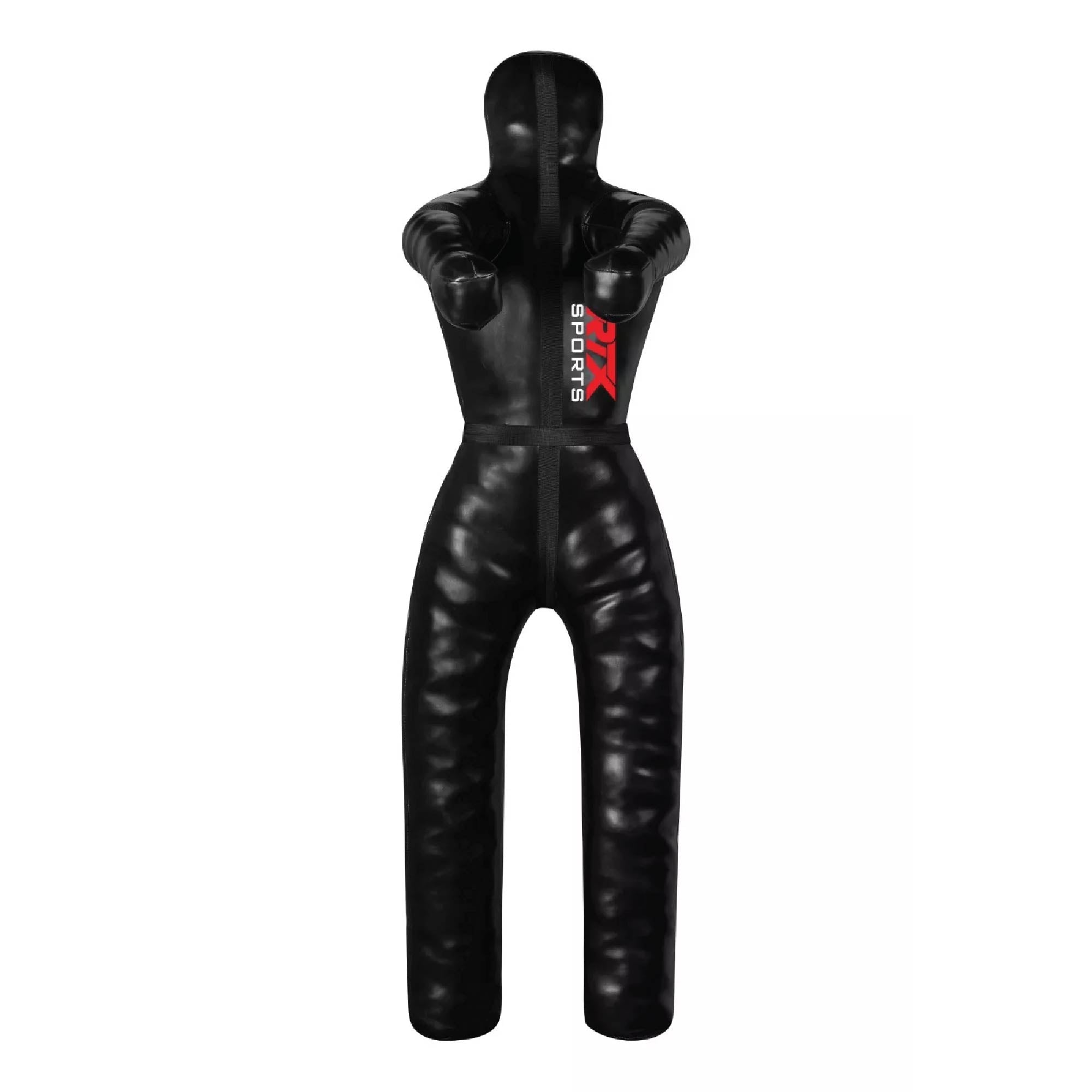
Before purchasing, always check the manufacturer's recommended measurements. Product descriptions often provide information about the intended age range, height, dimensions, or other sizing guidance. If you're looking at RTX Sports Combat Sports Gear, the 47"/119 cm size is suitable for kids and can be a practical option for children learning and practicing basic combat sports movements.
Use the available product specifications to compare the dummy's 47"/119 cm height with your child's height, age, and physical ability. The same principle applies when considering RTX Sports Training Gear or other brands. The goal is simple: choose a dummy your child can comfortably handle while practicing the movements they have been taught.
Final Thoughts
A grappling dummy can be a useful training partner for children who enjoy wrestling, Brazilian jiu-jitsu, or martial arts. It can encourage active play, provide opportunities for technique repetition, build confidence, and give children a consistent partner for practicing familiar movements. If you’re considering RTX Sports, a suitable grappling dummy can be a practical addition to your child’s training at home. Safety should always come first, so give your child enough space to practice, supervise younger children, encourage controlled movements, and make sure they are working with techniques that have been properly taught.
Finally, take your child's height, age, strength, and skill level into account when choosing the size. The right kids grappling dummy should be manageable rather than difficult to control, allowing your child to focus on learning and practicing their techniques with greater confidence.
FAQs
Is a grappling dummy worth it for home training?
A grappling dummy can be worth it for beginners and experienced practitioners who want to repeat techniques at home. It provides a consistent training partner for drilling movements, transitions, takedowns, and submissions without needing another person. For more guidance, see our grappling dummy filling guide to learn how to prepare your dummy for regular practice.
What is the best budget grappling dummy?
The best budget grappling dummy depends on factors such as size, durability, material, and how you plan to use it. Look for a well-constructed dummy that can handle repeated drilling without losing its shape or developing weak seams.
What should I fill my grappling dummy with?
Common filling materials include old clothes, towels, blankets, foam, and other soft textiles. The best option depends on the firmness and weight you want. Avoid overly hard materials that could make the dummy uncomfortable or unsafe to practice with.
How do you fill a grappling dummy?
Start by filling the arms and legs evenly, then work toward the torso while compacting the material gradually. Adding small amounts at a time helps you control the shape and firmness. Our grappling dummy filling guide provides more detailed instructions for getting the right consistency.
How do you choose a wrestling dummy?
Consider the dummy's size, weight, construction, stitching, flexibility, and intended use. Children may need a smaller, lighter option, while adults who practice wrestling or BJJ may prefer a larger and more durable model.
Is a grappling dummy good for beginners?
Yes. A grappling dummy can help beginners become familiar with basic movements and repeat techniques they have already learned from a qualified coach. It should complement, rather than replace, supervised training with a coach or training partner.
Can a grappling dummy replace a training partner?
No. A dummy is useful for repetition and movement practice, but it cannot react, resist, or provide feedback like a live training partner. It works best as an additional training tool between classes.
What is the best way to practice with a grappling dummy?
Focus on techniques you already know and repeat them with controlled movements. Beginners should avoid experimenting with advanced techniques without guidance. If you're deciding whether to add one to your home setup, our guide on grappling dummies is worth it and can help you weigh the benefits and limitations.
Tags:
Previous
Standing vs Sitting Grappling Dummy: Which One Should You Buy?
Next
Grappling Dummy vs Heavy Bag: Which One Is Better for Your Training?