
Ringerpuppe für Kinder How to Choose and Use a Wrestling Dummy
Choosing the right Ringerpuppe für Kinder comes down to three factors:the right size and weight for your child’s age, safe and durable materials, and a clear plan for using it in training. Whether you call it a kids grappling dummy or a wrestling dummy for kids, this guide covers each factor so you can buy with confidence and help your child build skills safely.
What Is a Grappling Dummy (Ringerpuppe)?
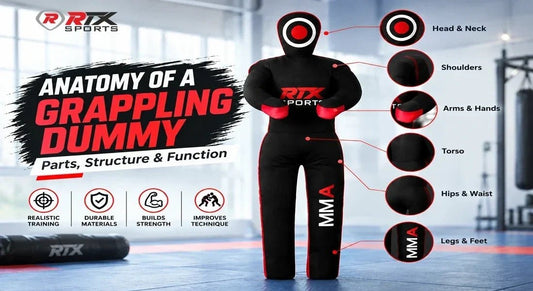
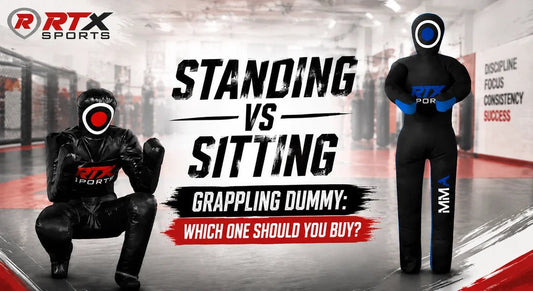
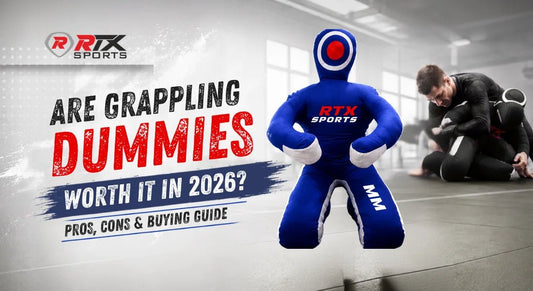
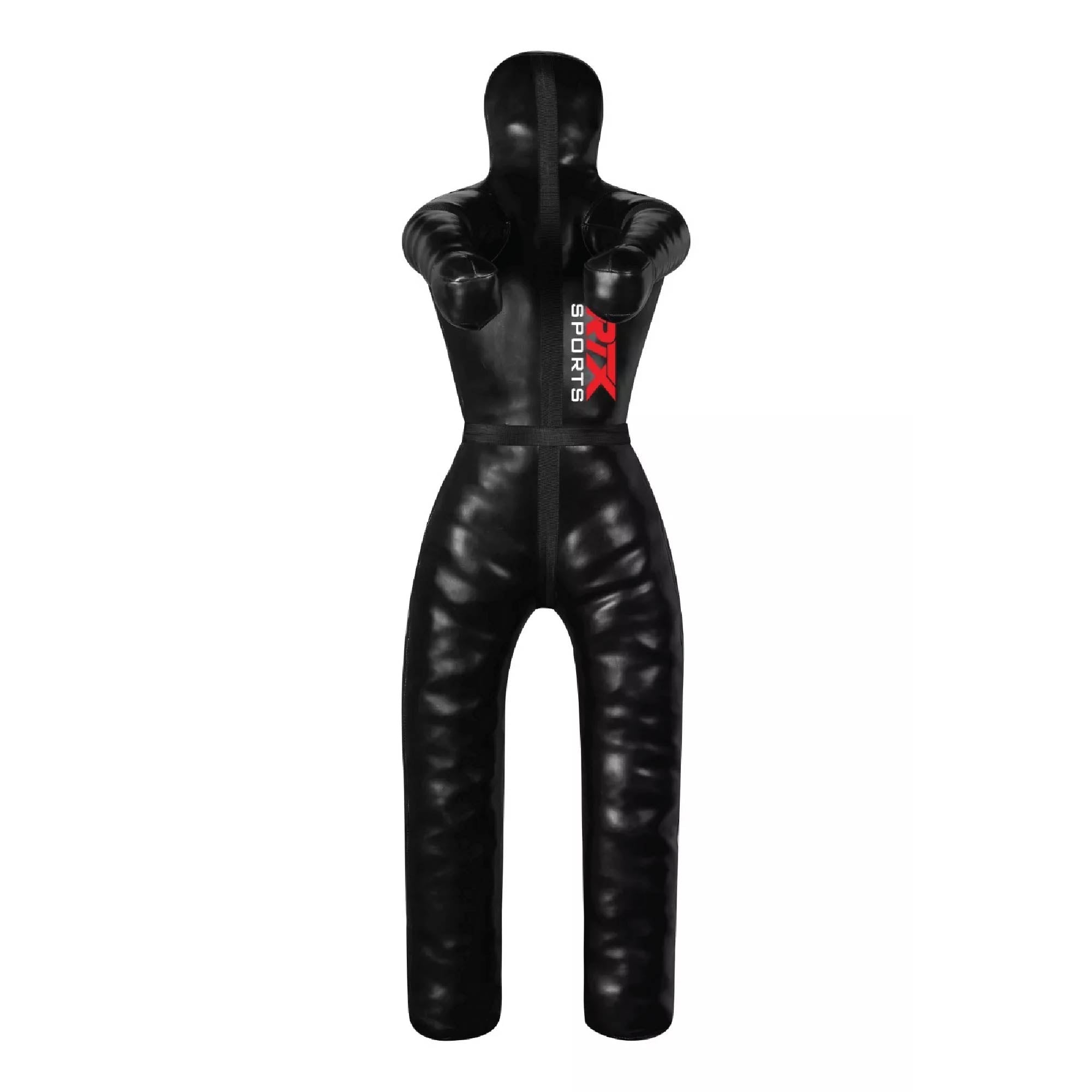
A grappling dummy (German: Ringerpuppe or grappling puppe) is a weighted, human-shaped training partner used to practice throws, takedowns, holds, and ground techniques. It is also called a fighting dummy and is used in wrestling, judo, Brazilian jiu-jitsu, and MMA.
Wrestling Dummy vs. Grappling Dummy vs. Fighting Dummy
These three terms describe the same type of training equipment. The difference is mostly the name used in each sport or region.
-
Wrestling dummy: the common name in wrestling. It focuses on throws, takedowns, and suplexes.
-
Grappling dummy: the broader term. It covers ground work, submissions, and positional drills in sports like BJJ and judo.
-
Fighting dummy: a general term for dummies used across combat sports, including striking and grappling.
instead of relying on the name. For kids, a lighter model sized to the child’s height is the safest choice.
Grappling Sports It Is Used For: BJJ, Judo, MMA and Wrestling
A grappling dummy is used in any grappling sport where athletes control, throw, or submit an opponent, including BJJ, judo, MMA, and wrestling.
|
Sport |
How the dummy is used |
|
BJJ |
Guard passes, mounts, escapes, and submission drills |
|
Judo |
Throws, hip and shoulder entries, and pin transitions |
|
MMA |
Takedowns, ground-and-pound positioning, and transitions |
|
Wrestling |
Single and double leg takedowns, suplexes, and mat control |
Why Kids Need a Wrestling Dummy
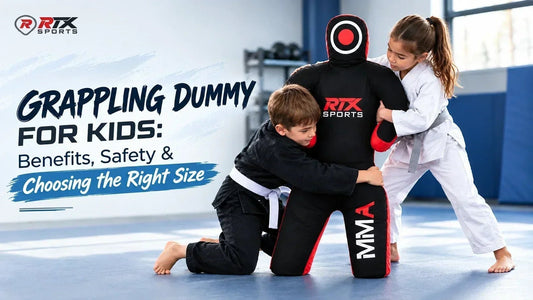
A wrestling dummy gives kids a safe, patient training partner to practice throws, holds, and movement. It helps them build technique, balance, and confidence without the injury risk of live drilling.
Benefits for Technique, Balance and Coordination
How does a wrestling dummy help kids improve?
It allows unlimited repetition of the same move at the child’s own pace. Repetition builds muscle memory, and muscle memory builds good technique.
-
Technique: Kids can learn the correct steps of a takedown, throw, or pin and repeat them until they feel natural.
-
Balance: Lifting, turning, and controlling a weighted body trains stability and body awareness.
-
Coordination: Moving the dummy teaches hands, hips, and feet to work together.
-
Confidence: Practicing alone first helps shy or beginner kids feel ready for live partner work.
-
Safety: The dummy does not push back or react unpredictably, so children can focus on form.
Does a dummy replace training with a partner or coach?
No. grappling dummy regular training, such as takedown practice and drilling throws on your own, but it does not replace feedback from a qualified coach or live practice with a partner. For anyone searching “takedown deutsch” a takedown (German: Niederwurf or Takedown) is a move that brings an opponent to the ground, and a dummy is a safe way to rehearse it between classes.
Best Age and Size for a Kids Grappling Dummy
The best kids grappling dummy matches the child’s height and strength. A dummy that is too heavy or too large leads to poor technique and can be unsafe.
|
Child’s level |
What to look for |
|
Younger beginners |
A smaller, lighter dummy that is easy to lift and move |
|
Older kids and teens |
A medium-sized dummy with more weight to match growing strength |
|
Experienced youth athletes |
A larger dummy with realistic weight for advanced throws |
How do you know the dummy fits? Check three things:
-
The child can lift and move it with proper form, without straining.
-
The dummy’s height is roughly close to the child’s own, so techniques look realistic.
-
The weight is challenging but manageable.
How to Choose a Kids Grappling Dummy
To choose a kid's grappling dummy, match its size and weight to your child, check that the materials and stitching are durable, and decide between a filled and an unfilled model. These rules apply to any BJJ dummy, jiu jitsu dummy, judo grappling dummy, or MMA grappling dummy.
Size and Weight: Matching the Dummy to Your Child
What size and weight should a kids grappling dummy be?
The dummy should be close to your child’s height and light enough to lift and move with proper form. If your child has to strain or change technique to move it, the dummy is too heavy.
-
Height: Choose a dummy roughly your child’s height so positions look realistic.
-
Weight: It should feel challenging but manageable.
-
Judo grappling dummy: Choose a sturdier, balanced body for throws.
-
BJJ dummy or jiu jitsu dummy: Choose a more flexible body for ground work.
-
Growth: Do not buy an oversized dummy to “grow into.”
Materials and Build Quality (Canvas, Stitching, Handles)
What materials should a grappling dummy have?
A good grappling dummy has heavy-duty canvas or tough synthetic leather, reinforced stitching at the seams and joints, and secure handles or grip points. These features let it withstand repeated throws, pulls, and ground drills.
|
Feature |
What to check |
|
Outer material |
Heavy-duty canvas or synthetic leather |
|
Stitching |
Reinforced, tight, especially at joints and neck |
|
Handles/grips |
Firmly attached and easy to hold |
|
Safety |
No sharp parts, loose threads, or hard objects inside |
An MMA grappling dummy needs especially strong seams, since takedowns and ground drills put extra stress on them.
How to Fill a Grappling Dummy
Most grappling dummies ship unfilled, which keeps shipping costs low and lets you choose how firm and heavy the dummy feels. Learning how to fill a grappling dummy is simple, and with the right grappling dummy filler it takes less than an hour. This section covers which filling material works best, how to fill the dummy step by step, and how much you need for a stable, realistic training partner.
What to Fill a Grappling Dummy With (Filling Material Options)
The filling material you choose decides how the dummy feels, how it moves during throws, and how long it lasts. The most common options are:
-
Old clothes and fabric scraps: Cheap and easy to find. Cut into small pieces and packed tightly, they give a firm, heavy dummy that suits throws and drilling.
-
Foam chips or shredded foam: Lightweight and soft. They are a good grappling dummy filler for kids and beginners, who need an easier dummy to lift and move.
-
Fiberfill or polyester stuffing: Very soft and light, but it compresses over time, so it works best mixed with heavier materials.
-
Rags and towels: Dense and durable: They hold their shape well and are a solid choice if you want a heavier dummy.
-
A mix of materials: Many users combine heavy fabric for the torso with lighter foam for the arms and legs, so the dummy feels more like a real training partner.
Avoid sand or loose granules unless the dummy is sealed inside a lining, as they can leak through seams and make the dummy too heavy for children.
Step-by-Step Filling Guide
-
Prepare your filler: Cut fabric into small, even pieces and break up any clumps so the filling spreads evenly.
-
Open the dummy fully:Unzip or open the end and turn the canvas so the limbs are easy to reach.
-
Start with the limbs: Push small amounts of filler into each arm and leg first, using a stick or your hand to reach the ends.
-
Fill the torso: Add the heavier material to the body in layers, pressing down after each layer to avoid gaps.
-
Pack firmly: Keep adding filler until the dummy holds its shape without sagging. Loose filling leaves soft spots and shifts during throws.
-
Close and test: Seal the dummy, give it a few throws and squeezes, and add more filling material if it feels too soft.
How Much Filler Do You Need?
The amount depends on the size of the dummy and how firm you want it. A 120cm kids dummy holds noticeably less than an adult-size one, so start with a moderate amount and top it up as you go. A good rule is to fill until the limbs are firm and the torso does not collapse when you squeeze it. Lighter filling is better for younger children, while older or more experienced grapplers usually prefer a denser, heavier dummy. If the dummy feels too stiff or heavy, remove some filler. If it sags, add more.
How to Use a Wrestling Dummy: Training Drills
BJJ Training Dummy Drills (Guard Passes, Mount, Escapes)
-
Drill the knee-slice, torrent, and stack passes on the dummy’s legs, focusing on grips, hip position, and clean transitions.
-
Climb to mount, then practice staying heavy with your hips low and weight spread across the dummy’s chest.
-
Rehearse bridging, shrimping, and getting your guard back to build escape skills.
-
Chain moves together (guard pass → side control → mount) to build muscle memory.
-
Repeat the same movement many times, since a dummy never resists or tires.
Judo Throws and Takedown Practice
-
Drill the setup and foot placement for hip throws, shoulder throws, and sweeps before adding the lift.
-
Practice the complete motion (grip, turn, lift, finish) and aim for a controlled landing.
-
Work on double-leg and single-leg shots, with a focus on level changes and driving through the hips.
-
Start slow, then add speed and force once the movement is clean.
-
Use mats or a padded floor for safe, repeatable throws
Where to Buy a Grappling Dummy for Kids
Looking for a grappling dummy for sale? Kids’ grappling dummies are available from specialist martial arts stores, sports gear websites, and online marketplaces. Specialist shops such as RTX Sports usually offer sizes and materials made for martial arts, so you know the dummy is built for BJJ, MMA, and judo training. Before you order, compare a few options and check that the product suits your child’s age, size, and training goals.
Frequently Asked Questions.
What is a grappling dummy for kids?
A grappling dummy is a human-shaped training partner that kids use to practice throws, takedowns, and ground techniques on their own. It is popular in BJJ, judo, MMA, and wrestling.
What age is a grappling dummy suitable for?
Most children can start using a kids' dummy from around 5 to 6 years old, with adult supervision. The right age depends on the child's size, strength, and training experience
What size grappling dummy should I choose for my child?
Pick a height that matches your child. A 120cm dummy suits younger and smaller grapplers, while older kids may need a taller one.
Should I buy a filled or unfilled grappling dummy?
Unfilled dummies are cheaper to ship and let you control the firmness and weight. Filled dummies are ready to use straight away but cost more and are heavier to deliver.
How do I fill a grappling dummy?
Stuff the limbs first, then the torso, packing the filler tightly in layers. Old clothes, rags, and foam chips all work well as filling material.
How much filler does a kids' grappling dummy need?
A 120cm dummy needs less than an adult-size one. Fill until the limbs feel firm and the torso holds its shape, then adjust the amount to suit your child.
Can a grappling dummy be used for judo throws?
Yes. Kids can practice hip throws, shoulder throws, and takedown entries on a dummy, ideally on mats and with a coach nearby.
Is a grappling dummy safe for children?
It is safe when used with supervision, on a padded surface, and with a weight the child can handle. Teaching technique first and keeping sessions short reduces the risk of injury.
How do I clean and store a grappling dummy?
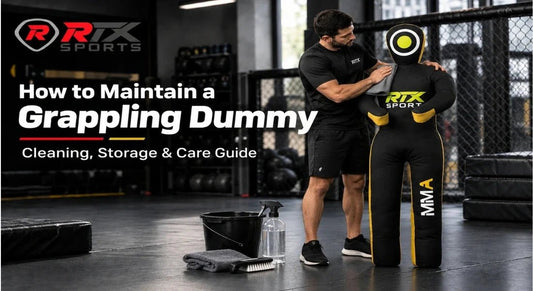
Wipe the canvas with a damp cloth and mild soap, and let it dry fully. Store it in a dry, ventilated spot away from direct sunlight to prevent damage and odors.
Where can I buy a grappling dummy for kids?
You can buy one from martial arts stores and sports gear websites such as RTX Sports. Check the size, material, and return policy before ordering.
Tags: