Headgear
Featured Product
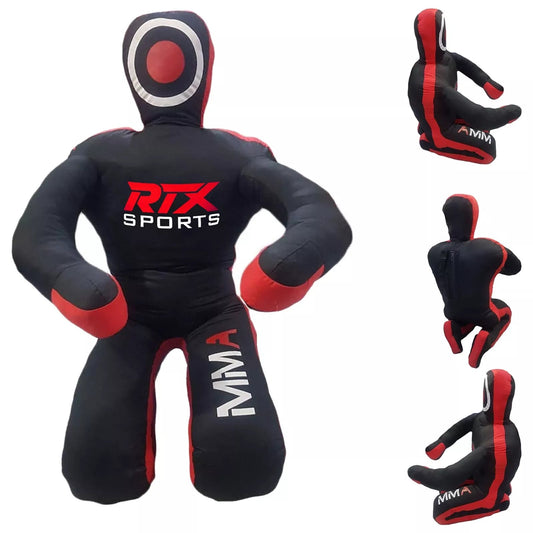
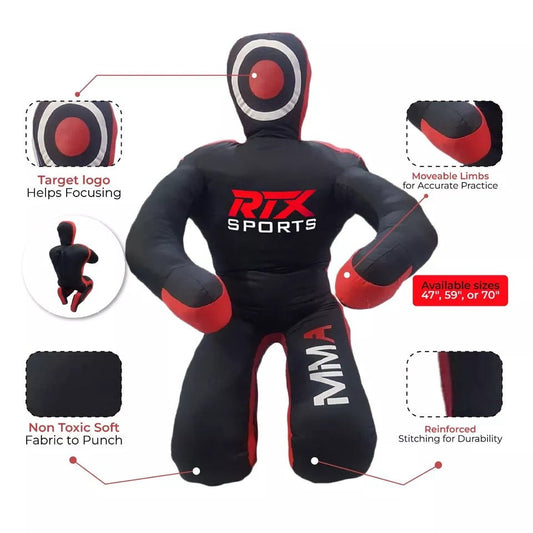
Canvas Unfilled Sitting Grappling Dummy - Red & Black for BJJ, MMA, Judo
Regular price
€44,99
Sale price
€59,99
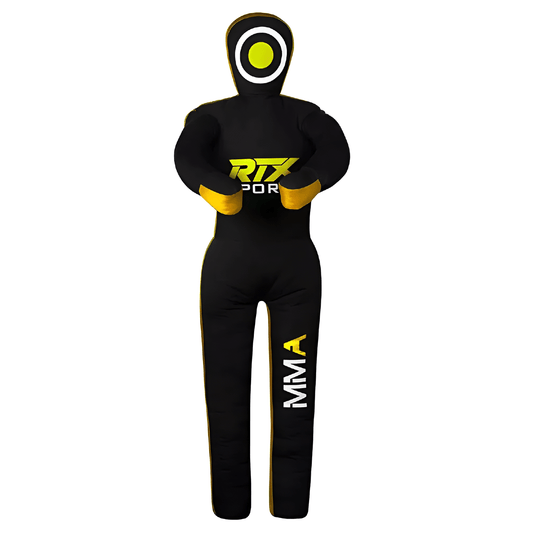
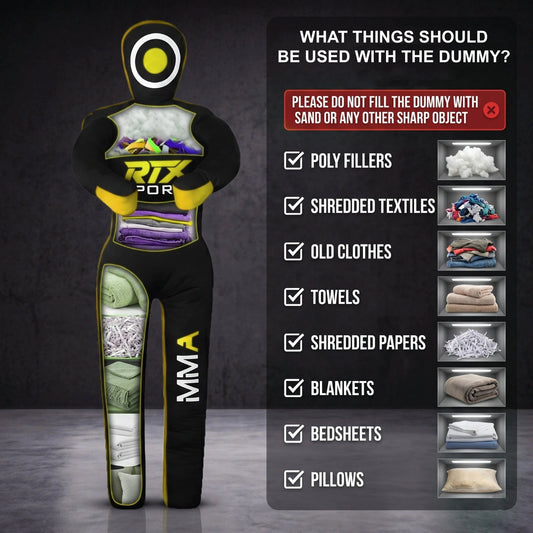
Canvas Unfilled Standing Grappling Dummy - Yellow & Black for BJJ, MMA, Judo
Regular price
€44,99
Sale price
€59,99
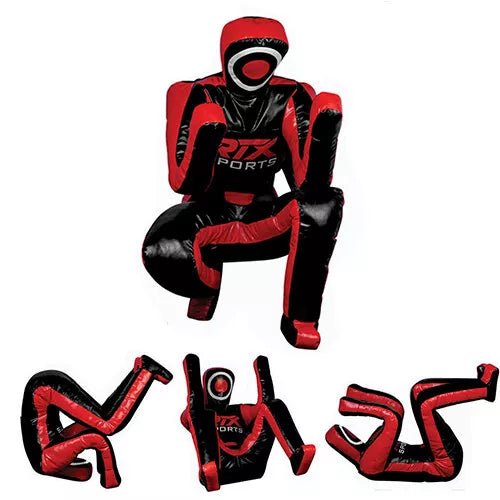
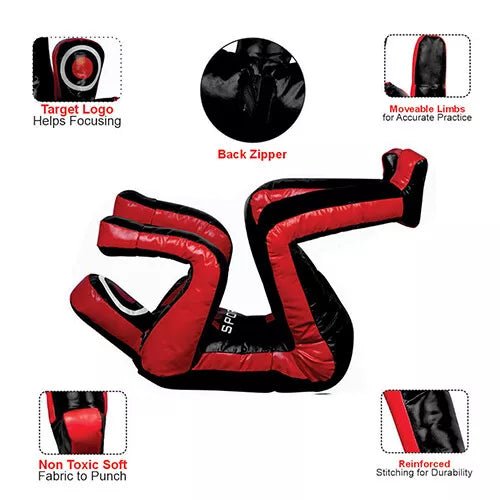
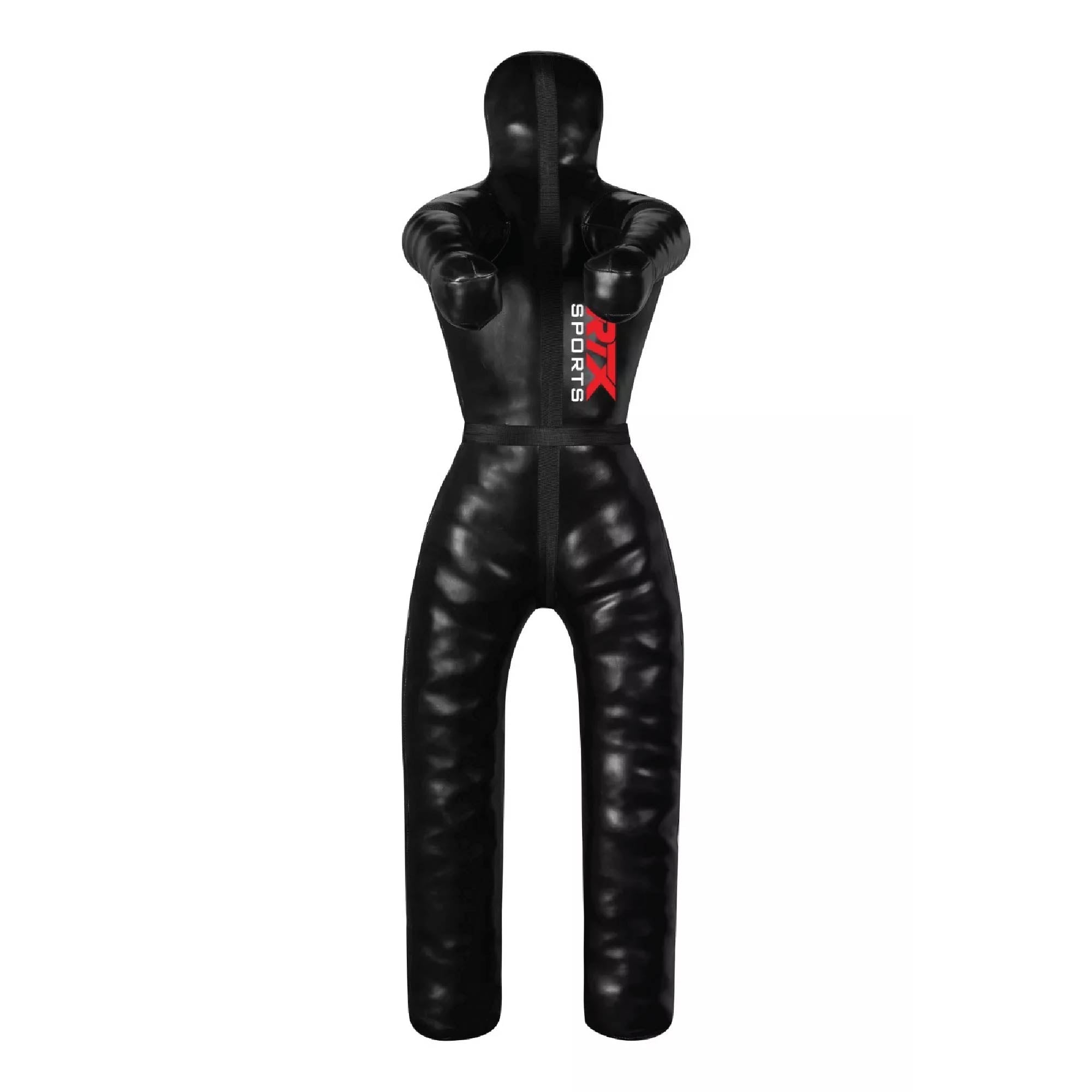
180cm Vinyl Unfilled Sitting Grappling Dummy - Red & Black for BJJ, MMA, Judo
Regular price
€98,99
Sale price
€131,99
-20%


Ear Muffs–Adjustable Neoprene Ear Guards for BJJ & MMA
Regular price
€20,00
Sale price
€25,00
Black
Camouflage
Beige
Green
Train harder and safer with RTX Sports headgear for boxing, MMA, wrestling, and BJJ. Browse boxing headgear with cheek and chin protection, MMA headgear, wrestling ear guards, and youth headgear. Every option is built around a secure fit, protective padding, and a clear field of vision. Whether you need a Kopfschutz boxen für Sparring or competition headgear for the ring, you can compare options here and pick the right head protection for your sport and level.
Why Is Headgear Important in Combat Sports?
Headgear is protective equipment that cushions blows to the head and face. It lowers the risk of cuts, bruising, and swelling, though it does not make sparring risk-free.
- Protection from Cuts, Swelling and Ear Injuries
Padding over the forehead, cheeks and temples spreads the force of a strike. Ear guards reduce the friction and pressure that damage ears in grappling.
- Headgear for Sparring vs. Competition
Sparring headgear is built for comfort and coverage over many rounds. Competition headgear is lighter and must follow your federation’s rules, so check them before you buy a Kopfschutz boxen für den Wettkampf.
Benefits of High-Quality Headgear
-
Better protection: dense, multi-layer padding spreads the force of a strike across the forehead, cheeks and temples, lowering the risk of cuts, bruising and swelling.
-
Secure fit: adjustable straps and a firm closure keep the headgear in place during fast exchanges, so you can focus on training instead of readjusting.
-
Wide field of vision: you can see punches coming from the side and react in time.
-
Lightweight comfort: lower weight reduces neck fatigue over long sparring sessions.
-
Durable materials: genuine or high-grade synthetic leather holds up round after round.
-
Breathable lining: keeps you cooler and more comfortable during long sessions.
-
More confidence: good headgear helps you train harder and safer, though it does not make sparring risk-free.
What Types of Combat Sports Headgear Are There?
- Boxing Headgear (with Cheek and Chin Protection)
Boxing headgear ranges from open-face designs with a wide field of vision to full face headgear with cheek and chin protection. Pick the coverage that matches how hard you spar.
- Headgear for MMA and Grappling
MMA headgear and Kopfschutz für Grappling are compact and stay put during strikes, clinch work, and takedowns.
- Ear Guards for BJJ, Wrestling and Judo
Ear guards protect only the ears and keep your head free to move. Many grapplers search for Ohrenschutz BJJ or Ohrenschützer MMA kaufen because they want low-profile protection for the mat.
- Headgear for Kickboxing and Muay Thai
Kicks and knees land on the sides of the head, so look for strong cheek protection and good visibility.
- Headgear for Kids and Youth
Youth headgear is smaller and lighter, so young athletes get a proper fit instead of oversized gear.
Buy Boxing Headgear: What Should You Look For?
- Fit and SizeThe headgear should sit firmly without pressure points and without shifting when you move your head. For boxen Kopfschutz Größe wählen, measure your head circumference and compare it with the size chart.
- Padding and ProtectionLook for dense, multi-layer padding over the forehead, cheeks, and ears. Extra padding adds protection but also weight.
- Field of Vision and WeightA wide field of vision helps you see punches coming from the side. Lightweight headgear reduces neck fatigue.
- Fastening System and AdjustabilityAdjustable straps and a secure closure keep the headgear stable through fast exchanges and let you fine-tune the fit.
- Material and BreathabilityKopfschutz boxen: Leder oder Kunstleder? Genuine leather lasts long and adapts to your head. Synthetic leather is lighter, easier to wipe clean, and usually cheaper. Breathable lining keeps you cooler.
Which Headgear Is Right for Your Sport?
Boxing
Choose lightweight boxing headgear with a clear view for Sparring, or a lighter competition model for fights.
MMA
Pick compact MMA protective headgear that allows striking and grappling without restricting movement.
Wrestling and BJJ
Wrestling headgear and ear guards focus on ear protection and a snug, low-profile fit on the mat.
Judo
Judo players usually choose slim ear protection that stays out of the way during throws and groundwork.
Headgear for Beginners and Professional Fighters
Entry-Level Models for Training
Beginners get the most from comfortable, well-padded headgear that is easy to adjust. It builds confidence when you start sparring.
Competition Headgear for Advanced and Professional Fighters
Experienced fighters prefer lighter headgear with a wider field of vision that meets competition rules. Hayabusa options such as the Pro Boxing Headgear, T3 Boxing Headgear, and T3 LX Headgear fit this group. Complete your kit with boxing gloves, boxing shoes, and hand wraps.
Care and Durability of Your Headgear
Cleaning and Odor Prevention
Wipe the headgear down after each session and let it air dry fully. Don’t leave it in a closed bag.
Proper Storage
Store it in a cool, dry, ventilated spot away from heat and direct sun. Check the stitching, straps, and padding regularly so you can replace it before it wears out.
Conclusion: Buy the Right Headgear Now
The right headgear depends on your sport, your level, and a good fit. Browse the RTX Sports collection and choose protective headgear for boxing, MMA, wrestling, and BJJ.
Frequently Asked Questions
Do I really need headgear for sparring?
Yes. Headgear reduces cuts, swelling, and ear injuries. It does not remove the risk of concussion, so control your intensity and follow your coach’s rules.
What size headgear do I need?
Measure your head circumference and compare it with the size chart. It should feel snug, with no pressure and no movement.
What is the difference between boxing and MMA headgear?
Boxing headgear usually covers more of the face. MMA headgear is more compact for grappling and freedom of movement.
How tight should boxing headgear fit?
It should sit snug and stay in place when you shake your head, without pressure points or red marks after training. If it shifts or blocks your view, the size or adjustment is wrong.
Is leather or synthetic leather better for boxing headgear?
Genuine leather lasts long and adapts to your head over time. Synthetic leather is lighter, easier to clean and usually more affordable. Choose leather for heavy use and synthetic leather for a lighter, lower-cost option.
Do I need headgear for BJJ or wrestling?
Not for protection against punches, but ear guards are strongly recommended. They reduce the friction and pressure that cause cauliflower ear in grappling sports.
Can headgear prevent concussions?
No. Headgear reduces cuts, bruises and swelling, but it cannot fully prevent concussions. Light sparring, good technique and a trusted partner are still essential.
Which boxing headgear is best for competition?
That depends on your federation’s rules. Competition headgear is usually lighter with a wider field of vision, so check your event requirements before you buy a Kopfschutz boxen für den Wettkampf.
How do I clean and care for my headgear?
Wipe it with a damp cloth and mild cleaner after each session, and let it air dry fully. Store it in a ventilated place away from heat and direct sunlight, and never leave it in a closed gym bag.
How long does headgear last?
With proper care, quality headgear lasts several years. Replace it when the padding is compressed, the stitching is loose or the straps no longer hold securely.