
Grappling-Dummy verwenden: Umfassender Trainingsleitfaden für Judo, BJJ & MMA
Wollten Sie schon immer Ihre Grappling-Fähigkeiten zu Hause trainieren, hatten aber keinen Trainingspartner?
Eine Grappling-Puppe kann Ihnen helfen, jederzeit und überall zu trainieren. Sie ist ein nützliches Werkzeug für Kampfsportler, die ihre Techniken verbessern möchten, ohne eine andere Person zu benötigen. Egal, ob Sie Brazilian Jiu-Jitsu, Judo oder Mixed Martial Arts praktizieren, eine Grappling-Puppe ermöglicht es Ihnen, Bewegungen wie Würfe, Haltegriffe, Takedowns und Bodentechniken sicher zu üben.
Egal, ob Sie Anfänger sind und die Grundlagen lernen oder erfahrene Kämpfer, die sich verbessern möchten, eine Grappling-Puppe bietet Ihnen eine sichere Möglichkeit, jederzeit zu trainieren. In diesem Leitfaden erfahren Sie, was eine Grappling-Puppe ist, wie Sie sie für verschiedene Kampfsportarten verwenden und wie intelligente Trainingsgewohnheiten Ihnen helfen können, Ihre Fähigkeiten, Ihr Selbstvertrauen und Ihr Muskelgedächtnis zu verbessern.
Was ist eine Grappling-Puppe?
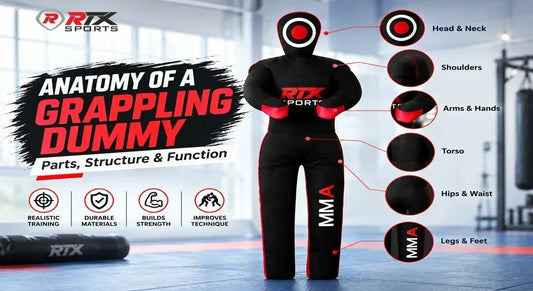
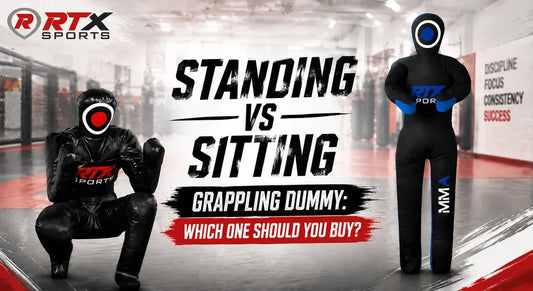
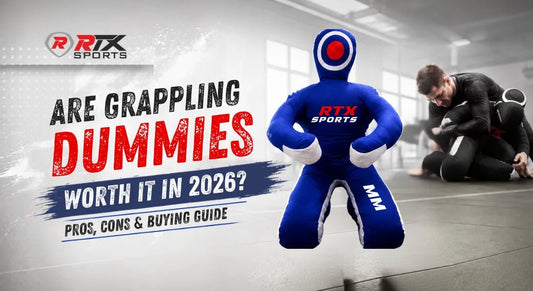
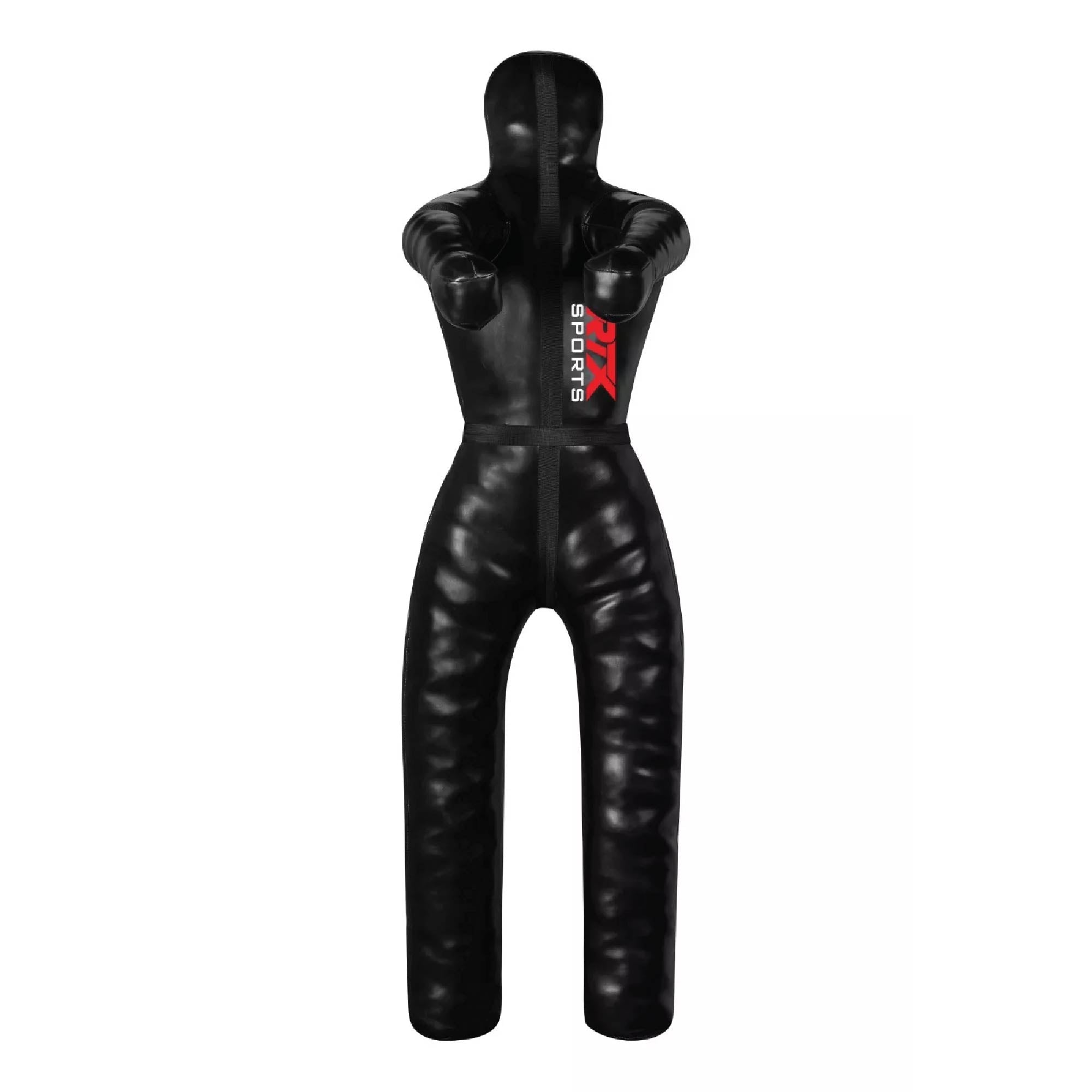
Eine Grappling-Puppe ist ein menschenförmiges Trainingsgerät, das in Kampfsportarten wie Brazilian Jiu-Jitsu (BJJ), Ringen und MMA verwendet wird. Sie ermöglicht es Ihnen, Techniken ohne Trainingspartner zu üben, was sie perfekt für das Training zu Hause oder im Fitnessstudio macht. Egal, ob Sie sie BJJ-Puppe, MMA-Puppe oder Wrestling-Puppe nennen, sie wurde entwickelt, um Ihnen zu helfen, Ihre Fähigkeiten durch regelmäßiges Training zu verbessern.
Mit einer Grappling-Puppe können Sie Takedowns, Submissions, Guard Passes, Escapes und Kontrollpositionen so oft trainieren, wie Sie möchten. Eine BJJ-Puppe hilft Ihnen, Techniken zu wiederholen, bis sie zur Gewohnheit werden, während eine MMA-Puppe hervorragend für Bodenkontrollübungen ist. Eine Wrestling-Puppe ist ideal zum Üben von Würfen und Takedowns. Sie ersetzt keinen echten Trainingspartner, ist aber eine ausgezeichnete Möglichkeit, Selbstvertrauen aufzubauen, die Technik zu verbessern und konsequent zu trainieren.
Wie man eine Grappling-Puppe für verschiedene Kampfsportarten verwendet
Eine von MMA-Athleten verwendete Trainingspuppe ist eines der vielseitigsten Werkzeuge zur Verbesserung der Technik in verschiedenen Kampfsportarten. Eine Grappling-Puppe ist ein Trainingsgerät, das MMA-, BJJ-, Judo- und Wrestling-Athleten hilft, Techniken ohne Partner zu üben. Egal, ob Sie MMA, Brazilian Jiu-Jitsu (BJJ), Wrestling oder Judo praktizieren, MMA-Puppen helfen Ihnen, Takedowns, Submissions, Bodenkontrolle und Schlagübungen zu verfeinern, ohne einen Live-Trainingspartner zu benötigen. Regelmäßiges Training mit einer hochwertigen Grappling-Puppe baut Muskelgedächtnis auf, verbessert die Präzision und ermöglicht es Ihnen, sicher und in Ihrem eigenen Tempo zu trainieren. Erkunden Sie die folgenden Abschnitte, um effektive Grappling-Puppen-Techniken für verschiedene Kampfsportarten zu lernen.
1. Judo- und Wrestling-Training mit einer Grappling-Puppe
Wenn Sie Judo oder Wrestling mögen, ist eine BJJ-Puppe eine großartige Möglichkeit, zu Hause oder im Fitnessstudio zu trainieren. Sie können Trips, Würfe und Takedowns immer wieder üben, ohne einen Trainingspartner zu benötigen. Wenn Sie Judo trainieren, ziehen Sie Ihrer Judo-Puppe einen Gi an, damit Sie die gleichen Griffe üben können, die Sie im Unterricht verwenden.
-
Üben Sie Ihre Beinarbeit (Uchikomi)
Gute Beinarbeit ist der Beginn jedes starken Wurfs. Verwenden Sie Ihre Jiu-Jitsu-Puppe, um Uchikomi zu üben, was bedeutet, den Eintritt für einen Wurf zu wiederholen, ohne sich um einen lebenden Partner kümmern zu müssen. Treten Sie in Position, drehen Sie Ihre Hüften und senken Sie Ihren Körper vor dem Wurf. Bei Bewegungen wie O Goshi (Hüftwurf) halten Sie Ihre Hüften niedriger als den Schwerpunkt der Puppe, der sich in der Mitte ihres Körpers befindet. Wiederholen Sie die Bewegung, bis sie sich flüssig und natürlich anfühlt.
-
Trainieren Sie Ihre Takedowns
Eine BJJ-Puppe hilft Ihnen auch, Wrestling-Takedowns zu verbessern. Üben Sie, den Kopf der Puppe nach unten zu ziehen, arbeiten Sie an Duck-Unders und machen Sie sich bereit für Double-Leg-Takedowns. Bewegen Sie sich kontrolliert und stellen Sie sich vor, Sie würden einen echten Gegner zu Boden bringen. Dies hilft Ihnen, ein besseres Gleichgewicht, Timing und Selbstvertrauen aufzubauen.
-
Bauen Sie Geschwindigkeit durch Wiederholung auf
Stellen Sie einen Timer auf 60 Sekunden und führen Sie so viele saubere Würfe oder Takedowns aus, wie Sie können. Konzentrieren Sie sich auf eine gute Technik, anstatt sich zu beeilen. Ruhen Sie sich kurz aus und wiederholen Sie dann die Übung. Das Training mit einer Jiu-Jitsu-Puppe hilft auf diese Weise, das Muskelgedächtnis, die Kraft und die Ausdauer im Laufe der Zeit zu verbessern. Je mehr Sie mit Ihrer Puppe üben, desto bequemer werden Ihre Bewegungen, wenn es Zeit ist, mit einem echten Partner zu trainieren.
2. Intelligenter trainieren mit einer BJJ-Puppe
Möchten Sie Ihre Grappling-Fähigkeiten zu Hause verbessern? Eine BJJ-Puppe ist eine einfache Möglichkeit, Ihre Techniken jederzeit zu üben. Egal, ob Sie neu im Training sind oder jahrelange Erfahrung haben, eine Judo-Puppe hilft Ihnen, Bewegungen zu wiederholen und ein besseres Muskelgedächtnis aufzubauen. Eine hochwertige Jiu-Jitsu-Puppe ermöglicht es Ihnen, zu trainieren, auch wenn Sie keinen Partner haben.
-
Bodenarbeit mit Vertrauen üben
Eine BJJ-Puppe ist großartig für die Bodenarbeit. Sie können an Ihrer Körperposition, Ihrem Gleichgewicht und Ihrer Bewegung arbeiten, ohne sich zu beeilen. Nehmen Sie sich Zeit und führen Sie jeden Schritt korrekt aus. Je öfter Sie die Bewegung wiederholen, desto natürlicher wird sie sich während des echten Trainings anfühlen.
-
Guard Passing Übungen
Guard Passing ist eine der wichtigsten Fähigkeiten im Brazilian Jiu-Jitsu. Beginnen Sie mit den angehobenen Beinen der Puppe. Üben Sie, Double Underhooks zu bekommen, um die Beine zu kontrollieren. Bewegen Sie dann die Beine nach unten und passieren Sie sie mit einem Knee-Cut-Schritt. Wiederholen Sie diese Übung mit Ihrer Jiu-Jitsu-Puppe immer wieder. Langsames Üben hilft Ihnen, die Bewegung zu lernen, während schnelleres Üben Ihre Geschwindigkeit und Ihr Timing verbessert.
-
Positionale Übergänge
Glatte Übergänge können Ihnen helfen, während eines Kampfes die Kontrolle zu behalten. Verwenden Sie Ihre BJJ-Puppe, um von der Seitenkontrolle zum Mount zu wechseln und dann den Rücken zu nehmen. Halten Sie Ihr Gewicht beim Bewegen schwer. Versuchen Sie, stetigen Druck auszuüben, genau wie Sie es mit einem echten Trainingspartner tun würden. Diese Übungen helfen Ihnen, gute Gewohnheiten und eine bessere Kontrolle aufzubauen.
-
Submissions üben
Eine Judo-Puppe ist perfekt zum Erlernen von Submissions. Bewegen Sie die Arme der Puppe in die richtige Position, bevor Sie die Technik anwenden. Üben Sie einen Kimura-Lock und einen Armbar zuerst langsam. Sobald sich die Bewegung leicht anfühlt, erhöhen Sie Ihre Geschwindigkeit. Dieses schrittweise Üben baut ein starkes Muskelgedächtnis auf und hilft Ihnen, jede Submission mit Vertrauen auszuführen.
-
Jeden Tag bessere Fähigkeiten aufbauen
Das Training mit einer BJJ-Puppe bietet Ihnen zusätzliche Übung, wann immer Sie sie brauchen. Verbringen Sie jeden Tag ein paar Minuten damit, an Guard Passes, Positionswechseln und Submissions zu arbeiten. Kleine, regelmäßige Trainingseinheiten können einen großen Unterschied in Ihrer Gesamtleistung auf der Matte machen.
3. MMA-Training mit einer Puppe
MMA-Training erfordert eine Mischung aus Schlagen, Grappling und Kontrolle. Eine gute MMA-Puppe hilft Ihnen, wichtige Fähigkeiten zu Hause zu üben, Ihr Timing zu verbessern und Selbstvertrauen aufzubauen, bevor Sie mit einem Partner trainieren. Sie ermöglicht es Ihnen, Bewegungen sicher zu wiederholen und sich auf Ihre Technik zu konzentrieren.
-
Ground and Pound üben
Ground and Pound ist ein wichtiger Bestandteil des MMA. Platzieren Sie die Puppe in Ihrer Guard- oder Seitenkontrollposition. Üben Sie, Ellbogen, Hammerfäuste und kurze Schläge zu werfen, während Sie Ihr Gleichgewicht halten und die Kontrolle behalten. Die Verwendung eines Grappling-Puppe-Gi kann Ihnen helfen, Ihre Kontrolle und Bewegung während der Bodenübungen zu üben. Konzentrieren Sie sich auf die richtige Körperposition, kontrollierten Druck und flüssige Bewegungen, anstatt nur auf Geschwindigkeit.
-
Übergänge und Schläge kombinieren
MMA besteht nicht nur aus Schlagen. Sie müssen auch schnell zwischen den Positionen wechseln. Beginnen Sie in der Mount-Position und üben Sie kontrollierte Schläge auf den Kopf der Puppe. Wenn die Puppe Platz schafft oder zurückdrückt, üben Sie, in eine Armbar-Position zu wechseln.
Eine normale MMA-Puppe ermöglicht es Ihnen, diese Übergänge viele Male zu wiederholen. Beginnen Sie langsam, um die richtigen Schritte zu lernen, und erhöhen Sie dann Ihre Geschwindigkeit, wenn Sie sich wohler fühlen.
-
Käfigkontrolle mit Wandübungen verbessern
Wandübungen helfen Ihnen, reale MMA-Situationen zu trainieren. Lehnen Sie die Puppe an eine stabile Wand oder einen schweren Sandsack und arbeiten Sie daran, sie nach hinten zu drücken. Dies hilft Ihnen, die Käfigkontrolle zu lernen, eine Schlüsselkompetenz im MMA. Sie können aus dieser Position auch das Fallen für Single-Leg-Takedowns üben. Diese Grappling-Puppe-Übungen helfen, Ihre Beinarbeit, Ihr Timing und Ihre Kontrolle in realen Kampfsituationen zu verbessern. Wiederholen Sie die Bewegung, bis sich Ihre Technik natürlich anfühlt.
-
Bauen Sie Ihre MMA-Fähigkeiten überall auf
Das Training mit einer Grappling-Puppe im Gi hilft Ihnen, Ihre Wrestling-, Schlag- und Bodentechniken jederzeit zu verbessern. Durch regelmäßiges Üben können Sie eine bessere Kontrolle, stärkere Bewegungen und mehr Selbstvertrauen für Ihre nächste MMA-Einheit entwickeln.
Tipps, um bessere Ergebnisse aus dem Grappling-Puppe-Training zu erzielen
Besser in Kampfsportarten zu werden erfordert Übung, Geduld und die richtigen Trainingsmethoden. Eine Grappling-Puppe kann Ihnen helfen, Ihre Fähigkeiten zu verbessern, indem sie es Ihnen ermöglicht, wesentliche Techniken wiederholt zu üben, bis sie natürlicher und effektiver werden. Egal, ob Sie BJJ, Judo, MMA oder andere Grappling-Stile praktizieren, gezieltes Training kann Ihnen helfen, bessere Kontrolle, Timing und Selbstvertrauen aufzubauen. Diese Tipps helfen Ihnen, intelligenter zu trainieren und bessere Ergebnisse zu erzielen:
1. Konzentrieren Sie sich auf Flow und Wiederholung
Der Schlüssel zu effektivem Grappling-Puppe-Training ist die Wiederholung Ihrer Bewegungen mit guter Technik. Anstatt jede Übung zu überstürzen, konzentrieren Sie sich auf fließende Übergänge und die richtige Körperkontrolle.
Üben Sie Bewegungen wie:
-
-
Wechseln vom Guard Passing zur Seitenkontrolle
-
Starke Positionen wie S-Mount und Knie-auf-Bauch beibehalten
-
Verbessern von Submission-Techniken wie Sweeps und Armbars
-
Regelmäßige Wiederholung hilft Ihrem Körper, jede Bewegung zu speichern und ein fließendes und automatisches Muskelgedächtnis zu schaffen.
2. Achten Sie auf kleine Details
Beim Training mit einer Grappling-Puppe konzentrieren Sie sich auf die Details, die Ihre Technik funktionieren lassen. Achten Sie auf Ihre Fußstellung, Gewichtsverteilung und Hebelpunkte. Ein echter Gegner wird Ihren Bewegungen widerstehen, also nutzen Sie Ihre Puppe, um das Kontrollieren seiner Position zu üben. Vermeiden Sie zum Beispiel beim Training mit einer BJJ-Puppe, sich nur auf die Geschwindigkeit zu konzentrieren. Stellen Sie stattdessen sicher, dass Ihr Druck, Ihr Gleichgewicht und Ihre Positionierung korrekt sind.
3. Wählen Sie das richtige Puppengewicht
Das Gewicht Ihrer Trainingspuppe kann Ihren Fortschritt beeinflussen. Anfänger finden eine 80 bis 100 Pfund schwere Puppe möglicherweise leichter zu kontrollieren, während sie grundlegende Techniken lernen. Fortgeschrittenere Athleten können schwerere Optionen, etwa 100 bis 140 Pfund, verwenden, um Kraft und Top-Druck zu verbessern. Eine schwerere Puppe kann Ihre Workouts anspruchsvoller machen und Ihnen helfen, sich auf stärkere Gegner vorzubereiten.
4. Stellen Sie sich die Reaktion Ihres Gegners vor
Eine Grappling-Puppe bewegt sich oder verteidigt sich nicht, daher müssen Sie Ihre Vorstellungskraft während des Trainings nutzen. Denken Sie darüber nach, wie ein Gegner reagieren könnte, und planen Sie Ihren nächsten Schritt.
Wenn Sie zum Beispiel einen Sweep oder eine Submission üben, stellen Sie sich vor, der Gegner blockiert Ihren ersten Versuch. Üben Sie dann, reibungslos in eine andere Position oder Technik überzugehen. Diese Art des mentalen Trainings macht Ihr Solotraining realistischer.
5. Verwenden Sie die richtigen Füllmaterialien
Wenn Sie Ihre eigene Puppe herstellen oder anpassen, kann das richtige Befüllen Ihr Trainingserlebnis verbessern. Füllen Sie alte Kleidung oder Lappen in den Oberkörperbereich, um ein realistisches Gewicht zu erzeugen. Verwenden Sie weichere Polyesterfüllung in den Armen, den Beinen und dem Kopf, um die Puppe flexibel zu halten und die Belastung Ihrer Gelenke zu reduzieren. Eine gut gefüllte Puppe fühlt sich natürlicher an und funktioniert besser für verschiedene Übungen.
6. Trainieren Sie mit verschiedenen Stilen und Geräten
Eine Grappling-Puppe kann viele Arten des Trainings unterstützen und ist ein unverzichtbares Stück Kampfsportausrüstung zur Verbesserung der Fähigkeiten. Sie können Würfe und Kontrolltechniken mit einer Judo-Puppe üben. Ein Grappling-Puppe-Setup hilft Ihnen, Bodentechniken zu verbessern. Eine MMA-Stil-Puppe ermöglicht es Ihnen, Schlag- und Grappling-Kombinationen zu trainieren. Wenn Sie mit einer Grappling-Puppe-Gi trainieren, können Sie auch Griffe, Würfe und kleidungsbasierte Techniken üben, die im traditionellen Grappling üblich sind. Konsequentes Training hilft, die Technik zu verbessern, Selbstvertrauen aufzubauen und bessere Kampfsportgewohnheiten zu entwickeln.
Fazit
Das Training mit einer Grappling-Puppe ist eine intelligente Methode, um Ihre Kampfsportfähigkeiten zu verbessern, egal ob Sie BJJ, Judo, Wrestling oder MMA praktizieren. Sie gibt Ihnen die Freiheit, Techniken zu wiederholen, das Muskelgedächtnis zu verbessern und Selbstvertrauen aufzubauen, ohne immer einen Trainingspartner zu benötigen. Konsequentes Üben und gezielte Übungen helfen Ihnen, die Technik zu verbessern und sich auf das reale Training vorzubereiten.
Die Wahl der richtigen Ausrüstung kann ebenfalls einen großen Unterschied in Ihrer Praxis machen. Eine RTX Sports Puppe wurde entwickelt, um Athleten durch regelmäßiges Training zu helfen, bessere Kontrolle, Bewegung und Technik zu entwickeln. Egal, ob Sie an Würfen, Takedowns, Submissions oder Bodenübungen arbeiten, eine zuverlässige Kampfpuppe kann Ihre Ziele unterstützen und Ihnen helfen, effektiver zu trainieren. Eine hochwertige Grappling-Puppe ist eine wertvolle Ergänzung für die Routine jedes Kampfsportlers und bietet Ihnen mehr Möglichkeiten, Ihre Fähigkeiten jederzeit und überall zu verbessern.
Schlagwörter:
Vorherige
Wie füllt man eine Grappling-Puppe? | Schritt-für-Schritt-Anleitung
Nächste
Was ist Grappling? Der ultimative Leitfaden für Anfänger und Profis.