
Hapkido vs Other Martial Arts: What Makes It Unique?
Let’s Talk About Martial Arts: Discover the Hidden Power of Hapkido
Thinking about starting a martial art, but not sure which one is right for you? Whether you want to learn self-defense, improve your fitness, build confidence, or develop a new skill, choosing the right martial art can greatly impact your journey.
You’ve probably heard of popular styles like Karate, Taekwondo, and Brazilian Jiu-Jitsu. But there’s another Korean martial art many people don’t know about: Hapkido, known for its unique blend of self-defense techniques, joint locks, throws, and strikes. In this guide, you'll discover what Hapkido is, how it compares to other popular martial arts, and whether it's the right fit for your goals.
First Things First: What Is Hapkido?
Hapkido (pronounced hap-key-doe) is a Korean martial art focused on practical self-defense and real-life protection techniques. Unlike styles that rely solely on blocking or striking, Hapkido teaches you to respond intelligently to situations such as being grabbed, pushed, or attacked.
The art combines kicks and punches, grappling, joint locks, throws, and traditional weaponry to help practitioners develop control, balance, and defensive skills. With quality martial arts training equipment from RTX Sports, practitioners can enhance their Hapkido practice and improve their technique, confidence, and overall performance. Hapkido techniques are designed to use an attacker’s movement and force against them, allowing you to manage dangerous situations effectively.
Imagine someone grabbing your arm, pushing you, or attempting to strike you. Instead of reacting with force alone, Hapkido teaches you how to stay calm, redirect the attack, and gain control through technique.
Hapkido training includes a wide range of skills, such as:
-
Joint locks: Techniques that involve controlling an attacker’s wrists, elbows, or other joints to stop an attack safely.
-
Throws and takedowns: Methods used to disrupt balance and bring an opponent to the ground.
-
Grappling: Close-range techniques for controlling an opponent during a physical confrontation.
-
Kicks and punches: Striking techniques used for defense, distance management, and counterattacks.
-
Traditional weaponry: Training with traditional martial arts weapons to improve coordination, awareness, and defensive skills.
And the cool part?
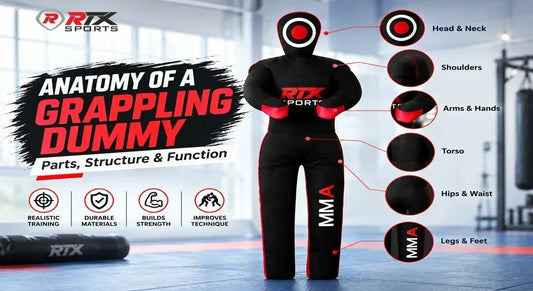
And the best part? You don’t have to be the biggest or strongest person to practice Hapkido. It’s all about using the right technique, timing, and movement, not relying on brute strength. With the help of training tools like a grappling dummy, students can safely practice throws, control techniques, and improve their skills through repetition.

Hapkido vs Karate: What’s the Difference?
Okay, so Karate is probably the most well-known martial art. It focuses a lot on straight punches and powerful kicks. Great for building discipline and fitness!
But here’s how Hapkido is different:
-
Karate wants you to hit hard and fast.
-
Hapkido wants you to use the other person’s energy against them.
Think of it this way: karate is like running straight into a wall and trying to break through it. Hapkido is more like stepping aside, using the wall’s own force against it, and letting it collapse on itself. Pretty smart, right?
Here’s a quick comparison to understand the key differences between Karate and Hapkido:
|
Karate |
Hapkido |
|
Karate is a Japanese hard-style martial art focused on powerful strikes, speed, and precision. |
Hapkido is a Korean soft style martial art focused on using an opponent’s energy, movement, and force against them. |
|
Karate training mainly develops punches, kicks, blocks, and striking techniques through structured drills and forms. |
Hapkido training combines kicking, grappling, joint locks, throws, pressure point manipulation, and weapon defense. |
|
Karate uses direct attacks and strong counterattacks, making it effective for developing striking power and physical fitness. |
Hapkido emphasizes control, leverage, and redirection, making it a highly versatile self-defense system. |
|
Karate practice usually takes place in a karate dojo with a focus on discipline, kata, sparring, and traditional techniques. |
Korean Hapkido practice focuses more on practical defense situations, escapes, takedowns, and controlling an attacker. |
|
Karate is a good choice for people who want to improve strength, speed, confidence, and striking ability. |
Hapkido martial art is ideal for people looking for a versatile martial art that combines defense, adaptability, and multiple fighting techniques. |
Hapkido vs. Taekwondo (TKD): Which One’s More Practical?
Taekwondo is full of fancy kicks and fast movements, and it looks super cool in action. But it’s more focused on sport and competition. If you just want to win medals or look flashy, Taekwondo might be your thing.
But Hapkido? It’s more down-to-earth. It teaches kicks too, but the kind that actually help if someone grabs you in a parking lot or on the street. You don’t need to do flying kicks. Just solid moves that work in real life.
The key differences between Taekwondo and Hapkido:
|
Taekwondo |
Hapkido |
|
TKD is a Korean martial art focused on striking, especially high-flying kicks, with an emphasis on speed and agility. |
Hapkido is a self-defense system that combines strikes, joint locks, throws, and grappling for practical protection. |
|
Taekwondo uses a hard style approach with powerful linear kicks, punches, and kicking combinations designed for long-range combat and maintaining kicking distance. |
Hapkido follows a soft style approach using circular motions, leverage, and the opponent's energy to control situations in close-range combat. |
|
TKD training often focuses on competitive sparring, making it popular in sports competitions and recognized as an Olympic event. |
Hapkido emphasizes practical self-defense, including threat neutralization, pressure points, and techniques for real-world encounters. |
|
Taekwondo develops explosive movement through speed, agility, and advanced kicking skills, contributing to its global sporting presence. |
Hapkido develops adaptability through sweeps, throws, ground fighting, and methods for handling different attacks. |
|
TKD practitioners rely heavily on distance control, using long-range combat strategies with fast attacks and defensive movements. |
Hapkido practitioners use real-time assessments to decide when to apply locks, grappling, or other defensive techniques. |
Hapkido vs Brazilian Jiu-Jitsu, Who Wins on the Ground?
Brazilian Jiu-Jitsu (BJJ) is a grappling-focused martial art built around taking opponents to the ground and utilizing leverage, positional dominance, and submissions like chokes and joint locks to control and neutralize threats. Super useful, no doubt. But Hapkido is a Korean self-defense system that combines stand-up striking, joint locks, throws, and weapon defense. You learn how to stay on your feet and also what to do if you end up on the ground.
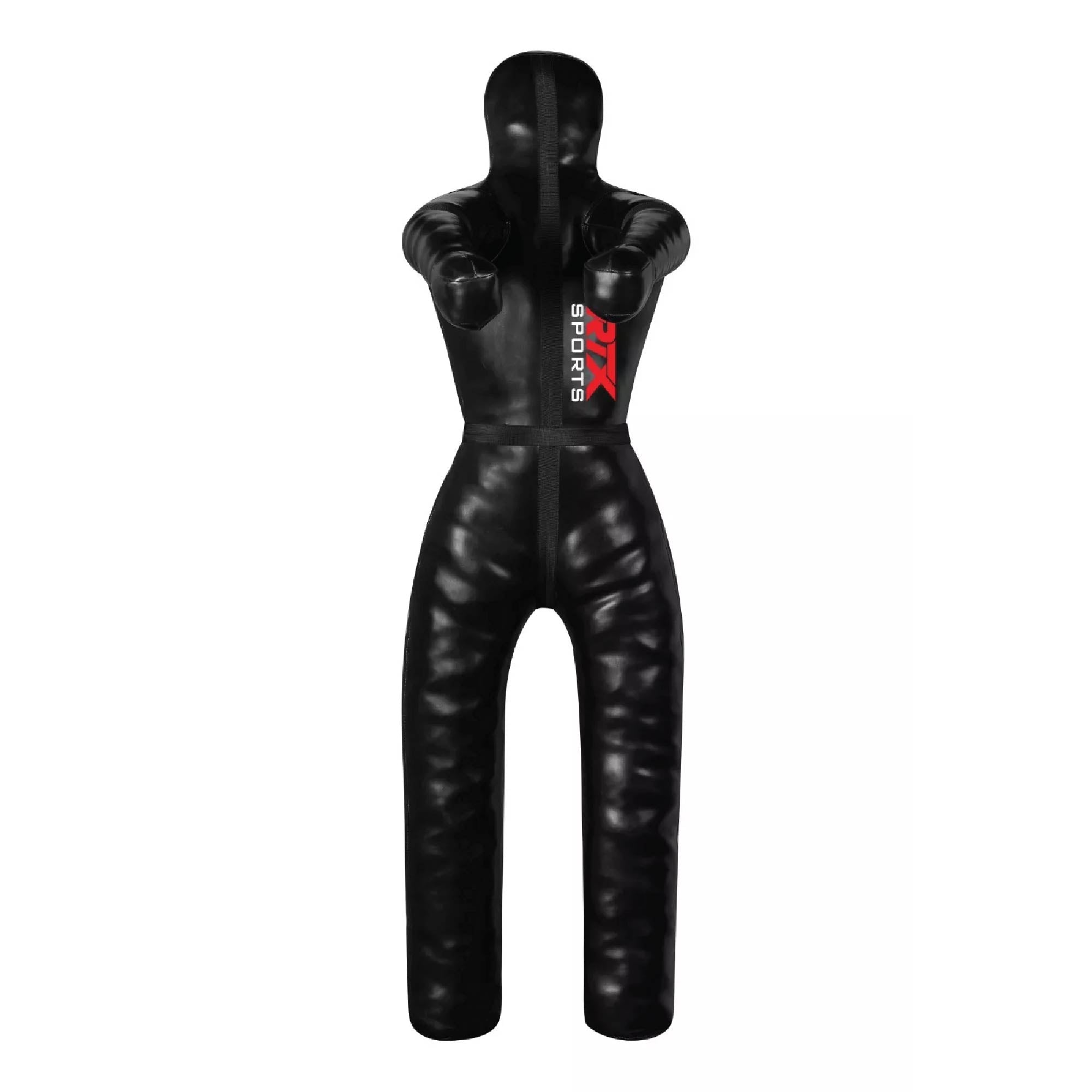
I personally practiced both, and when I trained at home, I used a grappling dummy to try out different moves. If you're training solo, having a good dummy is a lifesaver. It lets you practice throws, locks, and even submissions at your own pace. Check out our Grappling Dummies if you’re serious about getting better from home.
The key differences between BJJ and Hapkido:
|
Hapkido |
Brazilian Jiu-Jitsu (BJJ) |
|
Hapkido is an all-encompassing combat art that includes striking, trapping, grappling, throwing, and self-defense across various ranges. |
BJJ specializes in grappling and unarmed one-on-one combat, with the belief that many fights end up on the mat. |
|
Emphasizes avoiding being taken down, using circular flowing motions to redirect an attacker's momentum, escape grabs, and apply joint locks, control holds, and compliance holds. |
Teaches students to pull guard, sweep, escape from underneath an attacker, and finish fights with chokes and joint locks using proper leverage. |
|
The Hapkido martial art combines flying kicks, strikes to vital targets, and traditional self-defense techniques like eye gouges, throat strikes, and joint breaks. |
Since striking is not allowed in most BJJ sport competitions, training focuses entirely on positional control, submissions, and ground dominance. |
|
Training often combines compliant partner drills with varying levels of realistic sparring, depending on the school and instructor. |
Training revolves around live rolling and full-resistance sparring against a resisting opponent, helping develop timing, leverage, and pressure. |
|
Commonly used for practical self-defense and has applications in law enforcement because of its emphasis on controlling rather than injuring an opponent. |
Widely recognized for its proven effectiveness, allowing a smaller, weaker person to defend against a larger, stronger assailant through technique rather than strength. |
Hapkido vs Judo: More Than Just Throwing
Martial arts include many styles, each with its own focus and purpose. Judo and Hapkido are both respected disciplines, but they differ in their training methods and practical applications.
Judo: A Powerful Olympic Combat Sport
Judo is a popular Olympic combat sport that focuses on throws, trips, and ground grappling. The goal is to use timing, balance, and technique to control an opponent rather than relying only on strength.
Training in Judo often includes:
-
Powerful throws and takedowns
-
Trips and sweeps to off-balance an opponent
-
Ground grappling techniques
-
Full-resistance sparring, known as Randori
Because of its competitive nature, Judo places a strong emphasis on sport rules, strategy, and live practice against resisting opponents. It’s exciting, physically demanding, and teaches excellent coordination, discipline, and body control.
Hapkido: A Martial Art Built Around Real-Life Self-Defense
While Judo focuses mainly on competition and controlled combat, Hapkido is a Korean martial art that is more focused on practical self-defense. Hapkido training is designed around real-life scenarios where you may need to protect yourself. Instead of only learning how to throw an opponent, you also train to respond effectively in unpredictable situations.
In Hapkido, you learn skills such as:
-
How to defend against a punch
-
What to do if someone grabs your shirt or wrist
-
How to escape from holds and dangerous positions
-
How to react when facing objects like a stick or a knife threat
This makes Hapkido feel like a more street-smart approach to martial arts, combining awareness, technique, and control.
What Makes Hapkido Special?
The biggest advantage of Hapkido is that it integrates techniques from various martial arts, including joint locks, throws, strikes, kicks, and defensive movements, into a comprehensive self-defense system.
With regular Hapkido training, you can learn:
-
Striking techniques, including punches and kicks
-
Joint locks to control an attacker safely
-
Throws and takedowns for close-range situations
-
Defensive movements and escape techniques
-
Mental focus and the ability to stay calm under pressure
Hapkido is not about being the strongest person in the room. It emphasizes leverage, timing, and technique, allowing people of different ages and fitness levels to benefit from training.
Whether you are:
-
A teenager who wants to feel safer and more confident at school
-
An adult looking to stay fit while learning self-defense
-
A woman who wants to build strength, confidence, and awareness
-
A senior who wants to maintain flexibility and mental sharpness
Hapkido can be adapted to fit your lifestyle.
Choosing Between Judo and Hapkido
|
Goal |
Judo |
Hapkido |
|
Competition |
Great for people who enjoy tournaments, challenges, and testing skills against opponents |
More focused on practical training than formal competition |
|
Training Focus |
Emphasizes throws, grappling, balance, and ground fighting techniques |
Includes strikes, kicks, joint locks, and defensive techniques |
|
Best For |
Ideal for athletes who want structured matches and physical challenges |
Suitable for those interested in self-defense and real-life situations |
|
Skills Developed |
Builds strength, discipline, coordination, and confidence through resistance training |
Develops awareness, flexibility, confidence, and a wider range of techniques |
Protect Your Wrists During Martial Arts Training
When practicing techniques like joint locks, throws, and takedowns, protecting your hands and wrists is important. Proper support can help you train more comfortably and reduce unnecessary strain during practice.
RTX Sports Quality wrist straps for martial arts training can provide extra stability during intense sessions, especially when practicing movements that place pressure on the wrists.
My Honest Experience with Hapkido
When I first started Hapkido training, I had zero experience. I wasn’t strong, fast, or flexible, and I had a lot to learn. But I stayed consistent and kept practicing. I spent time watching videos, reading helpful martial arts blogs, and training regularly with my grappling dummy. Slowly, I noticed real changes. I became more confident, more balanced, and much calmer in everyday situations.
For me, Hapkido was never just about learning self-defense techniques. This Korean martial art helped me improve my focus, discipline, and ability to stay calm under pressure. Whether you are looking for Hapkido Deutschland training options or simply want to explore Korean martial arts, Hapkido offers a great path to build both physical skills and mental strength.
Final Thoughts
Choosing the right martial art depends on your goals. If you want a style that combines self-defense, discipline, fitness, and techniques like strikes, joint locks, throws, and grappling, Hapkido is worth exploring. This versatile combat martial art teaches more than just punches and kicks; it helps you develop confidence, awareness, balance, and the ability to stay calm in challenging situations. Whether you’re a beginner or an experienced practitioner, Hapkido offers valuable skills that can improve both your physical abilities and mindset.
Your martial arts journey is built through consistent practice, the right guidance, and quality training equipment. From improving your techniques with a grappling dummy to protecting your hands and wrists with reliable gear from RTX Sports, having the right support can make your training safer and more effective. Keep learning, keep practicing, and enjoy the journey of becoming stronger, more confident, and more prepared. And if you ever need help along the way from blogs, training gear, or advice, we’ve got you.
Check out our helpful blogs, our training dummies, and wrist gear to make your martial arts journey smooth and safe.
FAQs
Q1: Can I really learn Hapkido at home?
Yes, totally. With a bit of space, a mirror, and training tools like a grappling dummy, you can start learning the basics safely.
Q2: Is Hapkido good for women and kids?
Absolutely. Since it’s not about brute strength, it works well for all ages and body types. It’s even taught in schools and family centers.
Q3: Will I need wrist protection?
If you're practicing throws or joint locks, definitely. Wrist straps help avoid pain or injury during training.
Q4: How is it different from other martial arts?
Most martial arts focus on just one thing, like punches, kicks, or grappling. Hapkido covers all of it, making it a very complete self-defense system.
Q5: Is Hapkido better than Karate or Taekwondo?
Not "better", just different. It depends on what you’re looking for. If you want practical skills, real-world moves, and a peaceful mindset, Hapkido is amazing.
Q6: Is Hapkido suitable for beginners?
Yes, Hapkido is beginner-friendly. It helps students improve confidence, coordination, discipline, and self-control while learning practical martial arts skills.
Tags: